
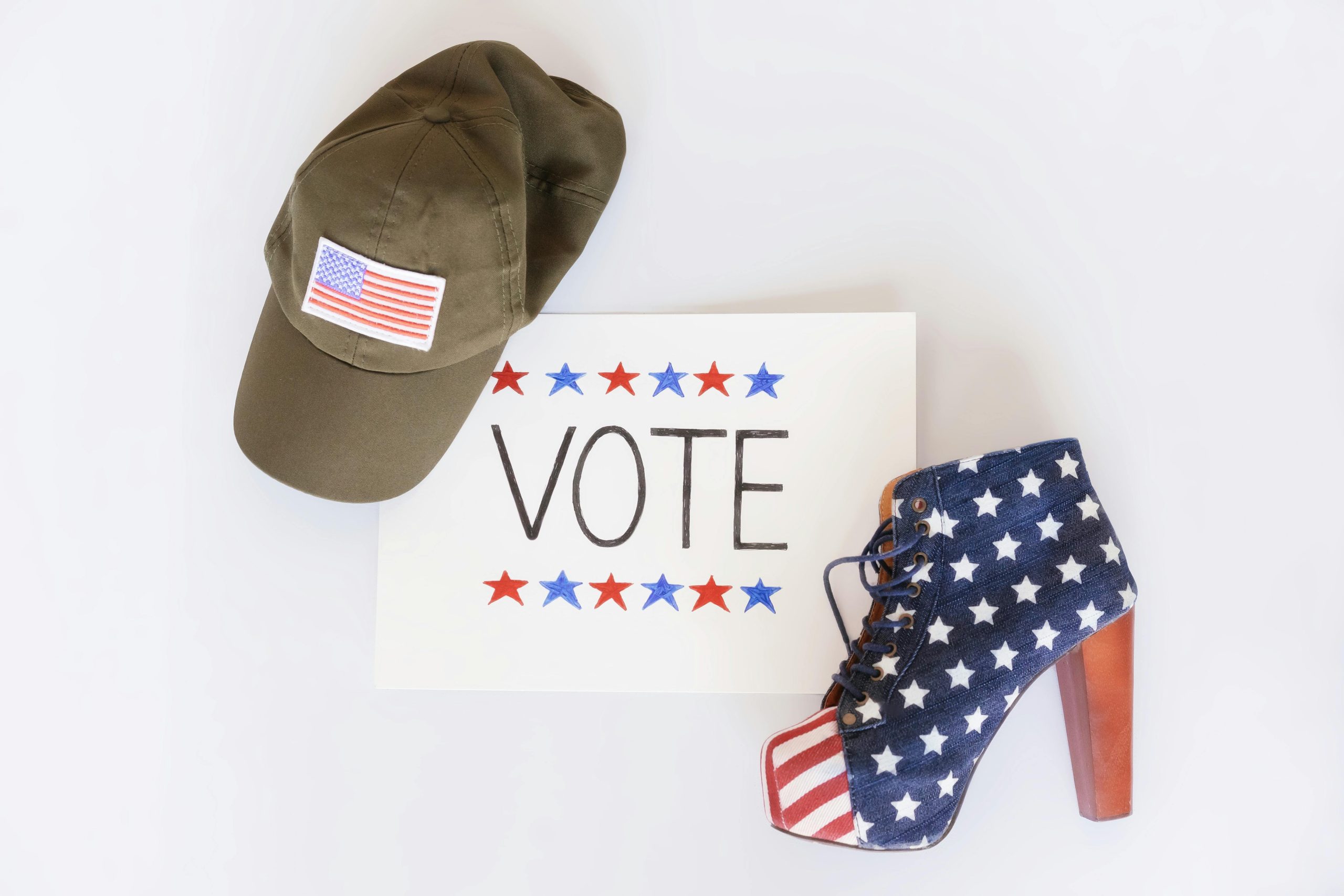
In every corner of the globe, elections stand as a moment of immense significance—where power is contested, voices are heard, and the course of nations can be reshaped in a single day. Elections are the vibrant heartbeat of democracy, a dynamic and often messy process where the ideals of representation, participation, and legitimacy meet the realities of politics, power struggles, and human ambition. Behind every vote cast lies a story of history, identity, ideology, conflict, and hope. The spectacle of campaigns, the drama of debates, the mystery of voter behavior, and the consequences of outcomes reveal much about societies themselves. Yet, elections are far from mere rituals; they are complex, multifaceted phenomena shaped by legal frameworks, social forces, technological innovations, and global influences. This blog dives deep into the world of politics and elections, unpacking the mechanisms, challenges, trends, and impacts that define this cornerstone of governance, democracy, and social change.
At its most fundamental level, an election is a mechanism for choosing leaders and representatives. It provides a means for the public to express their preferences and influence policies that affect their daily lives. However, elections are rarely simple affairs. The design of electoral systems—whether first-past-the-post, proportional representation, ranked-choice voting, or hybrid models—dramatically influences political dynamics. Different systems affect how votes translate into seats, the representation of minorities, the strength of political parties, and the likelihood of coalition governments. For example, winner-takes-all systems often favor larger parties and can lead to more stable single-party governments but may marginalize smaller groups. Proportional representation aims to better reflect the diversity of voter preferences but sometimes results in fragmented legislatures and complex alliances. Understanding these mechanics is essential to grasping how elections shape political landscapes and governance outcomes.
The political landscape during elections is a theatre of contestation. Candidates and parties craft narratives, mobilize supporters, and engage in strategic calculations. Campaigns vary widely—from highly orchestrated, media-driven efforts in advanced democracies to grassroots mobilizations in emerging or fragile states. The role of money is pivotal, with funding influencing the ability to reach voters, craft messages, and compete effectively. This raises perennial concerns about the influence of wealthy donors, corporations, and special interest groups on democratic fairness. Campaign finance laws, transparency requirements, and regulations on political advertising attempt to mitigate these risks but face ongoing challenges, especially with the rise of digital platforms where spending and influence are harder to track.
The media environment is crucial in shaping election narratives. Traditional media outlets—newspapers, television, radio—continue to inform many voters, but social media has transformed how information is produced, distributed, and consumed. Platforms like Facebook, Twitter, Instagram, and YouTube enable rapid dissemination of campaign messages, live debates, viral videos, and real-time reactions. This immediacy and interactivity can enhance democratic engagement but also fuel misinformation, polarization, and manipulation. The phenomenon of “fake news,” deepfakes, bots, and coordinated disinformation campaigns poses serious threats to electoral integrity. Governments, civil society, and technology companies grapple with balancing freedom of expression with the need for fact-checking and content moderation, making the information landscape during elections increasingly complex and contested.
Voter behavior is a central focus of election analysis. What motivates people to vote one way or another? The answer is multifaceted, encompassing economic interests, social identities, political ideologies, candidate appeal, and emotional factors. Economic conditions—such as unemployment, inflation, or inequality—often influence voter preferences, especially when citizens seek change or stability. Social cleavages based on ethnicity, religion, class, gender, or geography can shape voting patterns and party alignments. Political socialization, education, media exposure, and trust in institutions also play significant roles. In some democracies, voters demonstrate high levels of partisan loyalty, while in others, electoral volatility is common. Understanding these patterns is essential not only for interpreting election outcomes but also for designing policies and campaigns that address citizen needs and concerns.
Elections are also critical tests of democratic institutions. The integrity of voter registration, ballot design, polling station management, vote counting, and result announcements determines public confidence in the process. Electoral commissions and judicial bodies oversee these functions, aiming to ensure transparency, fairness, and accountability. However, challenges abound. Allegations of fraud, voter suppression, gerrymandering, intimidation, and technical failures can undermine legitimacy. In some countries, weak institutions or political interference erode trust and fuel conflict. International election observers often monitor electoral processes, providing assessments that can bolster credibility or highlight deficiencies. The ability of societies to manage election disputes peacefully and uphold the rule of law is a key indicator of democratic resilience.
The aftermath of elections is as consequential as the voting day itself. Results trigger shifts in policy direction, governance approaches, and international relations. Transition periods involve complex negotiations, especially in multiparty systems or when election outcomes are contested. In stable democracies, peaceful transfer of power is the norm, reinforcing democratic norms and institutions. In fragile or authoritarian contexts, elections can exacerbate tensions, provoke protests, or lead to crackdowns. The global community increasingly recognizes the importance of supporting post-election peace and reconciliation efforts to consolidate democracy and prevent violence.
Globalization and technology have introduced new dynamics into politics and elections. Foreign governments and non-state actors have sought to influence election outcomes through cyberattacks, social media manipulation, and funding political groups. The COVID-19 pandemic forced many countries to adapt electoral procedures, incorporating mail-in ballots, early voting, and health protocols, with mixed results. Climate change and demographic shifts are emerging as critical electoral issues, shaping voter priorities and candidate platforms. The rise of populism and anti-establishment movements in many parts of the world reflects growing dissatisfaction with traditional political elites and institutions, adding layers of complexity and unpredictability to electoral politics.
Despite numerous challenges, elections remain foundational to democratic governance and citizen empowerment. They provide a peaceful means for resolving political competition and determining policy directions. When free, fair, and inclusive, elections strengthen legitimacy, accountability, and public participation. Enhancing electoral integrity requires continuous efforts—legal reforms, voter education, independent media, technological safeguards, and robust civil society engagement. The evolving landscape demands vigilance, innovation, and collaboration among governments, citizens, and international partners.
In sum, politics and elections are vibrant, complex phenomena that encapsulate the hopes, struggles, and aspirations of societies. They intertwine history, power, identity, technology, and human behavior in ways that shape the present and future of nations. Understanding elections in all their dimensions—from legal frameworks to social dynamics, from campaign strategies to voter psychology—is essential for anyone seeking to grasp the essence of democracy. As the world faces unprecedented challenges and transformations, the role of elections as mechanisms for peaceful change and collective decision-making remains as vital as ever. Navigating this ever-changing landscape calls for informed, engaged, and empowered citizens ready to participate in shaping their destinies through the high-stakes game of politics and elections.




Leave a Reply