
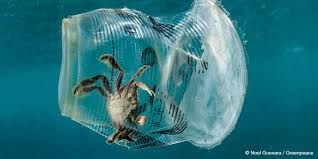
The world’s oceans, vast and seemingly endless, have long symbolized freedom, mystery, and life. But beneath their shimmering surfaces lies a growing menace—plastic pollution, an environmental crisis quietly devastating marine ecosystems and threatening the very balance of life on Earth. While headlines occasionally spotlight dramatic images of marine animals ensnared in plastic debris or islands of trash floating in the Pacific, the true scope and complexity of the plastic pollution crisis remain obscured from public view. This investigation peels back the layers of this silent catastrophe, uncovering the origins of ocean plastics, the intricate web of corporate, consumer, and policy failures fueling the problem, and the innovative yet often insufficient efforts to stem the tide.
Plastic production has surged exponentially since the mid-20th century, with global output ballooning from 2 million metric tons in 1950 to over 400 million metric tons today. Single-use plastics—bags, straws, packaging, and bottles—make up a significant share of this output, designed for convenience but with a lifespan that stretches far beyond their brief usage. Estimates suggest that 8 million metric tons of plastic waste enter the oceans annually, equivalent to a garbage truck dumping its contents every minute. But how does so much plastic make its way from land to sea? The answer lies in a fractured global waste management system, widespread littering, and insufficient recycling infrastructure, especially in developing countries.
In countries where formal waste management is lacking, plastic waste often accumulates in open dumps or informal landfills, vulnerable to wind and rain that transport debris into rivers and eventually the ocean. The world’s five largest rivers alone—Yangtze, Indus, Yellow, Hai, and Nile—carry an estimated 1.15 to 2.41 million metric tons of plastic annually into marine environments. Coastal megacities exacerbate the problem as rapid urbanization outpaces waste management capabilities. Moreover, the rise of e-commerce and food delivery services during the COVID-19 pandemic dramatically increased single-use plastic consumption, adding fresh layers of complexity to efforts to control pollution.
But responsibility extends beyond mismanaged waste. Investigations reveal that major multinational corporations producing plastics, particularly those involved in packaging, petrochemicals, and consumer goods, continue to prioritize profits over sustainability. Despite public commitments to reduce plastic footprints, many companies have ramped up production of virgin plastic, fueled by low oil prices and lax regulations. Internal industry documents leaked over the past decade show a concerted effort by petrochemical giants to oppose legislation restricting single-use plastics, and to shift blame to consumers and local governments rather than take accountability for their role in plastic pollution.
These corporate practices are compounded by regulatory gaps and enforcement challenges. While many countries have adopted bans or levies on plastic bags and certain single-use items, loopholes and inconsistent application often undermine effectiveness. In the United States, for example, the lack of a comprehensive federal policy means regulations vary widely between states, creating patchworks of protection and vulnerability. Globally, international treaties aimed at controlling marine pollution face hurdles in enforcement, monitoring, and addressing transboundary flows of plastics. The complexity of tracking plastic waste, combined with its fragmented sources and the diffuse nature of ocean currents, complicates coordinated responses.
The ecological consequences of plastic pollution are severe and multi-dimensional. Marine species ingest or become entangled in plastic debris, suffering injury or death. Microplastics—tiny plastic fragments under five millimeters—have infiltrated the food chain, detected in fish, shellfish, and even sea salt. Emerging research links microplastic exposure to physiological harm in marine organisms and raises concerns about human health impacts through seafood consumption. Beyond wildlife, plastic pollution affects habitats such as coral reefs and mangroves, disrupting ecosystem services that support fisheries and coastal protection. Economically, the damage to tourism, fisheries, and maritime industries costs billions annually, placing burdens on communities dependent on healthy oceans.
Efforts to combat ocean plastic pollution have mobilized a range of actors, from grassroots activists and NGOs to governments and international bodies. Cleanup initiatives like The Ocean Cleanup project deploy advanced technology to remove plastics from ocean gyres, but face criticism for focusing on symptoms rather than sources. Community-based beach cleanups raise awareness but cannot tackle the scale of pollution alone. Policymakers have increasingly embraced circular economy principles, encouraging product redesign, reuse, and improved recycling, yet progress remains uneven. Innovative materials such as biodegradable plastics offer potential alternatives, though questions remain about their degradation in marine environments and industrial scalability.
One particularly promising approach is Extended Producer Responsibility (EPR), which shifts the burden of waste management and pollution mitigation onto manufacturers rather than consumers or governments. Some countries have implemented EPR schemes requiring companies to finance collection and recycling efforts, incentivizing sustainable design. However, voluntary industry commitments to EPR are often vague and poorly enforced, with critics arguing that true accountability requires robust regulation backed by sanctions and transparency. Moreover, addressing plastic pollution demands global cooperation given the transnational nature of oceans and waste flows.
Technology also plays an increasingly critical role. Advances in waste sorting, chemical recycling, and AI-powered monitoring offer tools to improve waste management efficiency and data collection. Satellite imagery and ocean sensors enable tracking of plastic debris and hotspots. Digital platforms facilitate public engagement and citizen science, fostering accountability and collective action. Yet technology alone cannot solve structural problems rooted in consumption patterns, economic incentives, and governance gaps.
This investigation underscores the urgent need for a paradigm shift—from reactive cleanup to proactive prevention, from fragmented efforts to integrated policies, and from corporate greenwashing to genuine responsibility. Tackling ocean plastic pollution requires systemic changes that align economic systems with environmental sustainability, prioritize transparency, and empower communities. The ocean’s health is inseparable from human well-being; plastic pollution is not merely an environmental issue but a societal crisis demanding collective action at every level.
In conclusion, plastic pollution in the oceans represents one of the most pressing and complex environmental challenges of our time. It is a crisis fueled by global consumption patterns, corporate strategies, regulatory shortcomings, and socio-economic inequalities. Addressing it demands a comprehensive, multi-faceted response rooted in accountability, innovation, and collaboration. As the waves carry plastic debris across vast distances, so too must efforts to stem the tide cross borders and sectors. Only by illuminating the hidden layers of this crisis and confronting uncomfortable truths can society chart a course toward healthier oceans and a sustainable future for generations to come.







Leave a Reply