
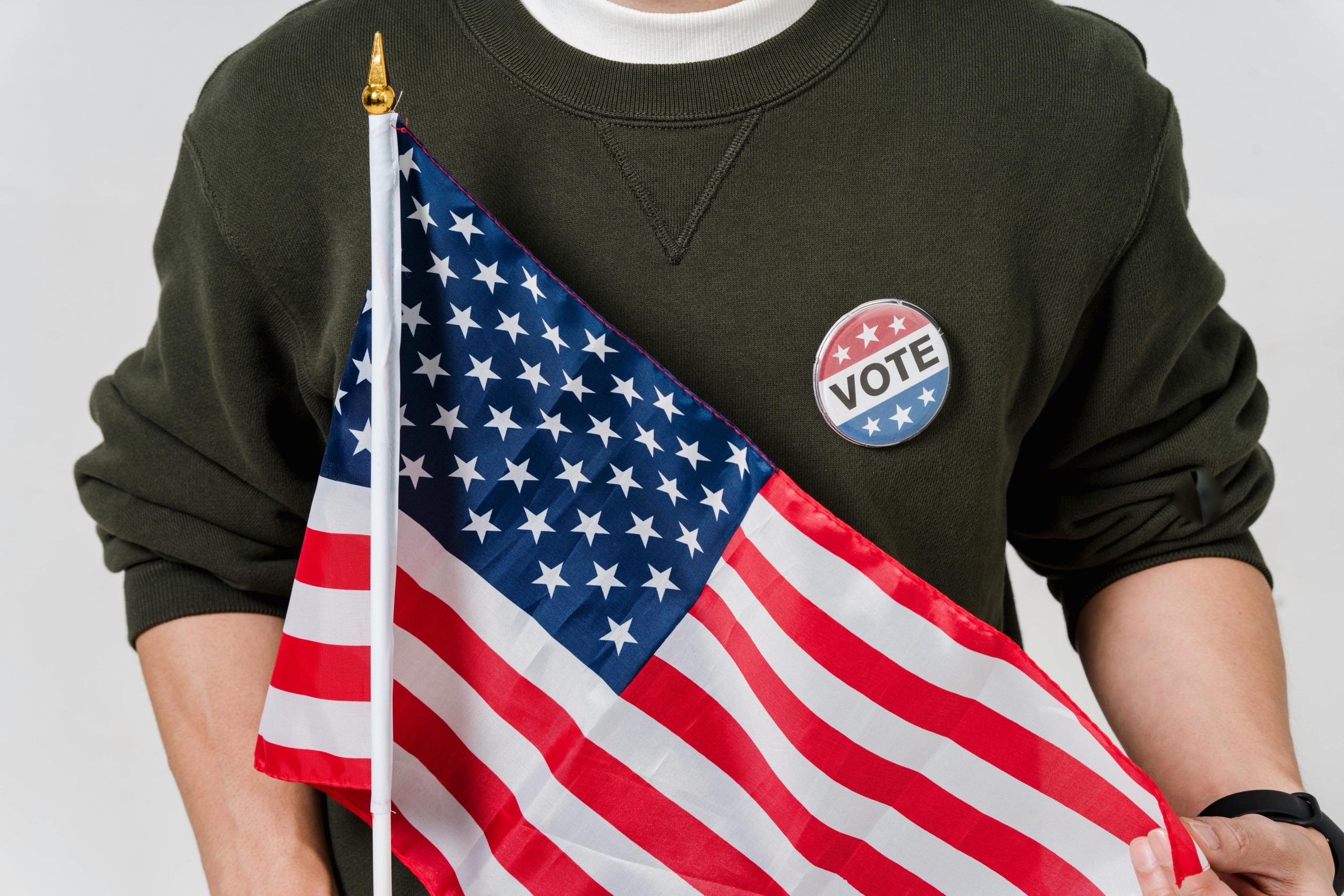
Politics and elections are the engines driving the course of nations, shaping the destinies of millions, and often reflecting the deepest aspirations, fears, and conflicts of societies. Every election season, the world watches as candidates vie for power, parties clash over visions, and citizens cast votes that can transform the future. Yet elections are far more than a simple act of choosing leaders; they are complex, multifaceted phenomena that embody historical contexts, social dynamics, economic pressures, technological changes, and cultural identities. This blog takes a deep dive into the intricate and often turbulent world of politics and elections, exploring their evolution, significance, mechanics, challenges, and the profound impact they have on democratic governance and global stability. Through this exploration, we will uncover why elections matter, how they operate in different contexts, and what forces are reshaping political landscapes today.
At its core, an election is a process through which people express their political will, selecting representatives or deciding on policies that govern their collective lives. Elections serve as the fundamental mechanism of democracy, providing legitimacy to governments and enabling accountability. But beyond this straightforward definition lies a vast, intricate system influenced by history, culture, and power structures. The way elections are conducted varies dramatically around the world, shaped by constitutions, electoral laws, voting systems, and political traditions. From first-past-the-post systems to proportional representation, from compulsory voting to voluntary participation, the architecture of elections profoundly affects who wins, who loses, and how governments function.
The political stakes surrounding elections are often enormous. Leadership changes can alter domestic policies on healthcare, education, social welfare, and economic management, while also influencing foreign relations, security, and global cooperation. Elections can signal shifts in ideological directions—from conservatism to progressivism, nationalism to globalization, authoritarianism to democracy—and impact civil rights, environmental policies, and social justice movements. Moreover, elections are arenas where underlying societal tensions—ethnic divisions, economic inequalities, cultural conflicts—can either be channeled peacefully or erupt into violence and instability. The significance of elections extends beyond individual nations, often affecting regional dynamics and international relations.
The history of elections reveals a gradual but uneven expansion of political participation. Early elections in many parts of the world were limited to elites—landowners, aristocrats, or wealthy men—with vast segments of populations excluded due to race, gender, or class. The struggle for universal suffrage, civil rights, and fair representation has been long and arduous, marked by social movements, revolutions, and reforms. Today, while most countries hold regular elections, challenges remain in ensuring free, fair, and inclusive processes. Voter suppression, disenfranchisement, electoral fraud, and intimidation continue to threaten the integrity of elections in many regions. Additionally, the rise of digital misinformation, foreign interference, and political polarization poses new threats to democratic elections globally.
Elections involve a complex interplay of political parties, candidates, campaigns, media, electoral commissions, and voters. Political parties are central actors, organizing platforms, selecting candidates, and mobilizing supporters. They reflect diverse ideologies and interests but also face internal power struggles and external pressures. Candidates, often the faces of elections, must navigate public scrutiny, fundraising, and debate, while attempting to connect with voters on policies and identity. Campaigns have evolved dramatically, from traditional rallies and door-to-door canvassing to sophisticated data-driven operations leveraging social media, targeted advertising, and psychological profiling. The role of money in elections is substantial, raising concerns about undue influence, corruption, and access disparities.
Media and information ecosystems play a pivotal role in elections. News outlets, social media platforms, and independent watchdogs shape how candidates and issues are presented to the public. They can inform, educate, and hold actors accountable but also contribute to misinformation, sensationalism, and polarization. The digital age has transformed electoral communication, enabling rapid dissemination of campaign messages and real-time engagement but also amplifying disinformation and foreign interference. The challenge of balancing freedom of expression with the need for truthful information is a defining feature of contemporary elections.
Voters themselves are the ultimate arbiters in elections, and their behavior is influenced by a multitude of factors including economic conditions, social identities, historical experiences, media consumption, and institutional trust. Understanding voter motivations and patterns is critical to interpreting election outcomes and the health of democracies. Participation rates vary widely, affected by legal frameworks, political engagement, education, and disenfranchisement efforts. In some countries, low voter turnout signals apathy or disillusionment, while in others, high participation reflects vibrant democratic engagement. The phenomenon of voter suppression—through gerrymandering, restrictive ID laws, or misinformation campaigns—remains a pressing concern undermining democratic legitimacy.
The administration of elections involves logistical and regulatory challenges. Electoral commissions and authorities must ensure voter registration, ballot design, polling station management, vote counting, and dispute resolution, all while maintaining transparency and security. The use of technology, including electronic voting machines and online voting systems, offers efficiency but raises concerns about cybersecurity, hacking, and trustworthiness. International observers often monitor elections to assess fairness and compliance with democratic standards, providing legitimacy or raising alarms. Election disputes and controversies, whether over fraud allegations or close results, test institutional resilience and can provoke political crises.
The impact of elections extends well beyond the day of voting. Election outcomes influence policy trajectories, governance styles, and international relations. They affect the composition of legislatures, the balance of power, and the capacity for reform. Post-election periods can be times of hope and renewal but also of conflict and uncertainty, especially in polarized or fragile contexts. Transitional governments, coalition negotiations, and protests can all emerge from the electoral aftermath. The ways in which societies manage electoral disputes and transitions are critical indicators of democratic maturity and stability.
Globalization has added new dimensions to elections, introducing external influences and interconnected challenges. Foreign governments, transnational corporations, and international organizations increasingly seek to sway election outcomes through cyber operations, funding, media manipulation, and diplomatic pressure. The COVID-19 pandemic also reshaped elections, prompting shifts to mail-in voting, digital campaigns, and new health protocols, with varying degrees of success and controversy. Climate change and demographic shifts are expected to increasingly influence electoral agendas and voter priorities in the coming decades.
The rise of populism and polarization is one of the defining features of recent elections worldwide. Populist movements often challenge established elites, claiming to represent “the people” against corrupt or out-of-touch institutions. While they can energize political participation and address neglected grievances, populism can also erode democratic norms, promote exclusionary identities, and foster authoritarian tendencies. Political polarization, fueled by identity politics, media fragmentation, and social media echo chambers, complicates consensus-building and governance, sometimes turning elections into zero-sum battles that deepen societal divisions.
Technology continues to revolutionize how elections are fought and won. Data analytics and micro-targeting allow campaigns to tailor messages with unprecedented precision, influencing voter perceptions and behaviors. Social media platforms provide direct channels for engagement but also arenas for manipulation. Artificial intelligence and deepfake technology raise new ethical and security concerns. Meanwhile, efforts to protect election infrastructure from cyberattacks and ensure the integrity of digital tools are ongoing priorities for governments and civil society.
Despite these challenges, elections remain foundational to democratic governance and citizen empowerment. They provide a mechanism for peaceful transfer of power, representation, and public input into decision-making. Strong, transparent, and inclusive elections contribute to political stability, social cohesion, and respect for human rights. Civic education, independent media, electoral reforms, and international cooperation are essential to safeguarding and enhancing the quality of elections worldwide.
In conclusion, politics and elections are the dynamic, often contentious heart of democracy. They embody the struggles and hopes of societies, reflecting complex histories, identities, and aspirations. Understanding elections requires appreciating their multifaceted nature—encompassing legal frameworks, political actors, media ecosystems, voter behavior, and global influences. As technological, social, and geopolitical forces reshape the landscape, the challenge lies in ensuring that elections remain free, fair, and meaningful. The stakes could not be higher: the quality of elections shapes the health of democracies, the legitimacy of governments, and the well-being of millions. In a world marked by uncertainty and change, the high-stakes game of politics and elections continues to define our collective future.




Leave a Reply