

In today’s hyper-connected world, breaking news is not just about headlines flashing on a screen—it’s a dynamic, living force that shapes societies, influences economies, alters political landscapes, and touches lives across continents in real time. From sudden political upheavals to environmental catastrophes, from groundbreaking scientific discoveries to social movements shaking the foundations of nations, global breaking news is the pulse of our era. It informs, alarms, inspires, and mobilizes billions of people daily. This constant stream of information reflects the sheer complexity and interdependence of our modern world. Understanding how breaking news works on a global scale, what forces drive it, and the profound ways it impacts our world is more critical than ever. This blog embarks on a detailed exploration of global breaking news—how it is created, spread, and consumed, the challenges and responsibilities it brings, and the crucial role it plays in connecting humanity amid rapid change.
The concept of breaking news has evolved dramatically with the rise of digital technologies and social media platforms that deliver information faster than ever before. In decades past, news traveled primarily through newspapers, radio, and television, with news cycles measured in hours or days. Today, news breaks in seconds, transmitted across the globe instantly via smartphones, social networks, and 24-hour news channels. This instantaneous flow is both a blessing and a challenge: it enables immediate awareness and response but also pressures news organizations to publish quickly, sometimes at the expense of accuracy. The competition for scoops and exclusives is fierce, with traditional media, independent journalists, and even ordinary citizens acting as frontline reporters. This democratization of news sources has expanded perspectives but also complicated verification, making the role of trusted journalism more vital than ever.
At the heart of global breaking news are events with broad international significance—political crises, conflicts, economic upheavals, natural disasters, health emergencies, technological breakthroughs, and cultural shifts. Political developments such as elections, revolutions, sanctions, peace agreements, or diplomatic standoffs often dominate the headlines because their repercussions extend far beyond national borders. For example, a change in leadership in a major country can shift global alliances, affect trade policies, and alter security dynamics. Conflicts and wars, whether in hotspots like the Middle East, Eastern Europe, or elsewhere, generate urgent breaking news that captures worldwide attention, influencing humanitarian aid, refugee movements, and international diplomacy.
Economic news also plays a critical role in global breaking news. Stock market crashes, inflation surges, trade disputes, and shifts in commodity prices have immediate consequences for governments, businesses, and everyday citizens worldwide. For instance, the global disruptions in supply chains following the COVID-19 pandemic became a breaking news saga of immense significance, affecting everything from consumer prices to geopolitical relations. International financial institutions and policymakers closely monitor such developments, and news about their actions or decisions frequently breaks globally, influencing markets and political calculations.
The environment and climate change have increasingly become central to global breaking news. Extreme weather events like hurricanes, floods, wildfires, and droughts are no longer localized incidents but indicators of broader environmental challenges affecting global food security, migration, and health. Coverage of these events not only informs emergency response but also shapes public understanding and policy debates on climate action. International summits such as COP climate conferences and agreements on emissions reductions regularly generate breaking news that reflects ongoing global efforts—or sometimes failures—to address environmental crises.
Health emergencies, perhaps most starkly exemplified by the COVID-19 pandemic, have shown the power and necessity of global breaking news in safeguarding public health. From initial outbreak reports to vaccine developments and variant tracking, the pandemic’s news cycle has been relentless and life-impacting. Breaking news in health not only educates and alerts but also drives international cooperation, funding priorities, and public behavior changes. Beyond pandemics, news about advances in medical technology, disease outbreaks, and health policy reforms continuously shape the global health landscape.
Scientific and technological breakthroughs often capture global attention as well, inspiring optimism and debate about the future. Discoveries in space exploration, artificial intelligence, renewable energy, and genetics hold transformative potential for societies worldwide. The rapid sharing of such news accelerates innovation diffusion and informs ethical, regulatory, and investment decisions. Similarly, stories of scientific controversies or failures contribute to a nuanced understanding of progress and risk in modern science.
Social justice movements and human rights issues also feature prominently in global breaking news. Protests against inequality, racial discrimination, authoritarianism, gender violence, and labor abuses resonate globally, amplified by digital media. The shared visibility of these struggles connects disparate communities, mobilizes international support, and often pressures governments and corporations toward reform. However, these stories can also provoke polarization and backlash, highlighting the complex interplay between media, activism, and political power.
Natural disasters demand immediate global news coverage due to their suddenness and devastating impact on human lives. Earthquakes, tsunamis, volcanic eruptions, and massive floods unfold rapidly, requiring urgent communication for rescue efforts and humanitarian aid. The role of media in broadcasting these events has evolved with technology—from satellite images and live broadcasts to real-time social media updates from survivors. This instantaneous coverage enables faster response coordination but also raises ethical questions about privacy and sensationalism.
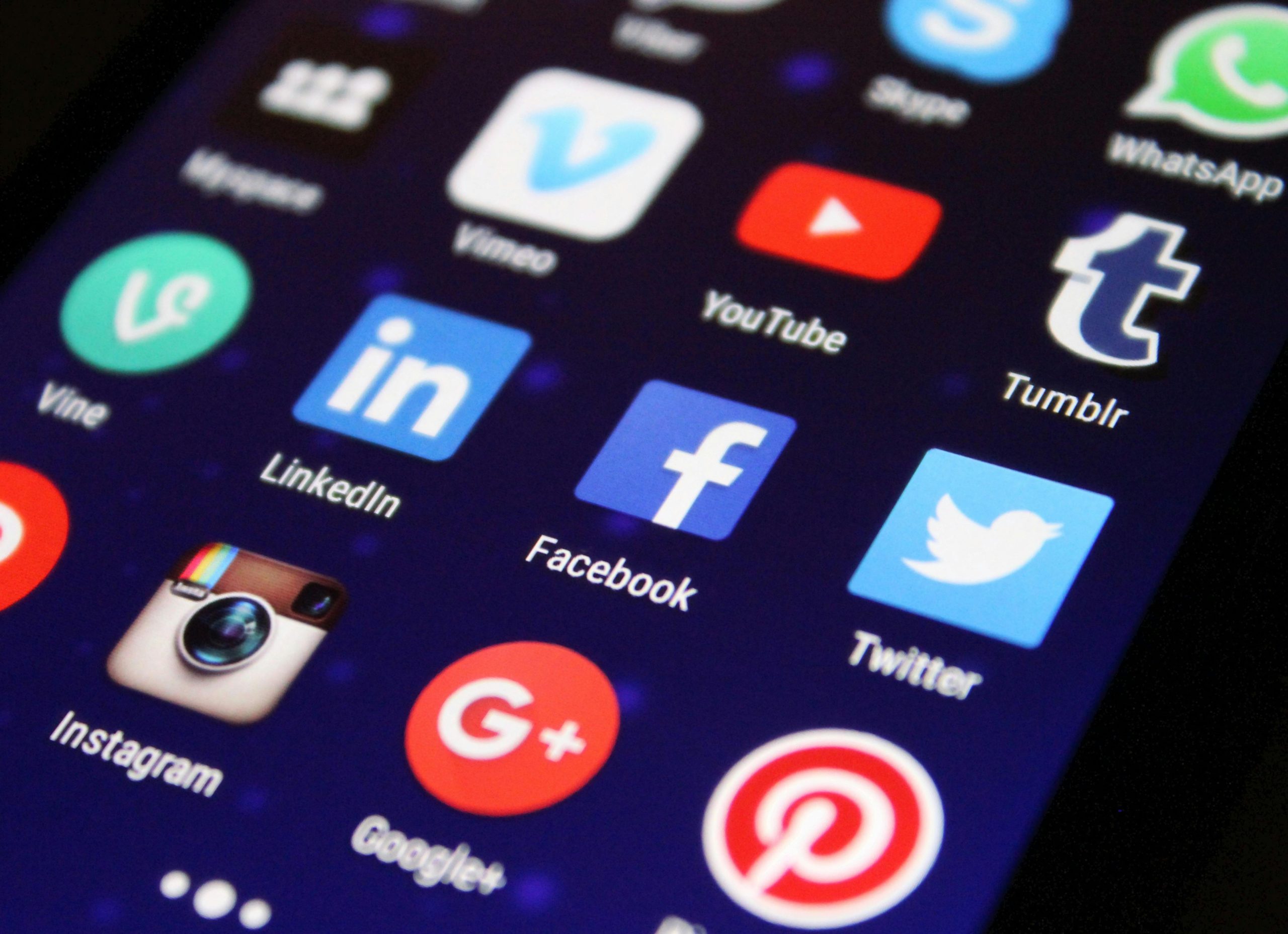
Behind the scenes, a vast and intricate network supports the creation and dissemination of global breaking news. International news agencies, like Reuters, AFP, and the Associated Press, act as nerve centers, gathering reports from correspondents worldwide and supplying them to media outlets. News organizations rely on local journalists, fixers, and stringers to provide firsthand accounts, often at great personal risk. Citizen journalism has become a potent force as smartphones enable ordinary people to capture and share footage instantly, broadening the scope of news but complicating verification. Technology companies like Google, Facebook, Twitter, and TikTok function as powerful distributors and amplifiers, shaping what news reaches global audiences and how it is engaged with.
The economics of global breaking news are also complex. Traditional revenue models for news media have been disrupted by digital advertising, subscription services, and platform monetization, affecting the resources available for in-depth reporting. The commercial pressures to attract clicks and views sometimes incentivize sensationalism or speed over depth, risking public trust. At the same time, philanthropic and public funding initiatives aim to support quality journalism, recognizing its essential role in democracy and society. The sustainability and independence of news media remain central concerns as the demand for real-time breaking news grows.
The societal impact of global breaking news is profound and multifaceted. Access to timely information empowers citizens, helps hold power to account, and fosters civic engagement. Breaking news can drive collective action, influence elections, and catalyze policy reforms. It builds global awareness of interconnected challenges and shared humanity. However, the constant barrage of news, often dominated by crises and conflicts, can also overwhelm and desensitize people, leading to “news fatigue.” The proliferation of misinformation and disinformation in the digital age poses significant threats to informed public discourse and social cohesion. Enhancing media literacy and critical thinking skills is therefore essential to help audiences navigate the complexity of breaking news landscapes.
The future of global breaking news will undoubtedly be shaped by technological innovation, geopolitical shifts, and evolving societal expectations. Artificial intelligence and automation may streamline news gathering and verification, while immersive technologies like virtual and augmented reality could deepen audience engagement. Blockchain and other decentralized technologies offer possibilities for enhancing transparency and trust in news provenance. At the same time, the global media ecosystem will need to grapple with ethical dilemmas, data privacy, censorship pressures, and the challenges of ensuring equitable access to information across diverse populations.
In conclusion, global breaking news is more than a stream of headlines; it is the living narrative of our interconnected world. It captures the drama, complexity, and urgency of contemporary life, reflecting both our challenges and aspirations. The speed and scale at which news travels today offer unprecedented opportunities for awareness, solidarity, and action, but also demand responsibility, critical engagement, and innovation from journalists, platforms, and consumers alike. As the world continues to evolve in unpredictable ways, the role of breaking news as a vital source of knowledge, accountability, and connection remains paramount. How we produce, share, and respond to these stories will shape not only our understanding of the world but our collective future.






Leave a Reply