
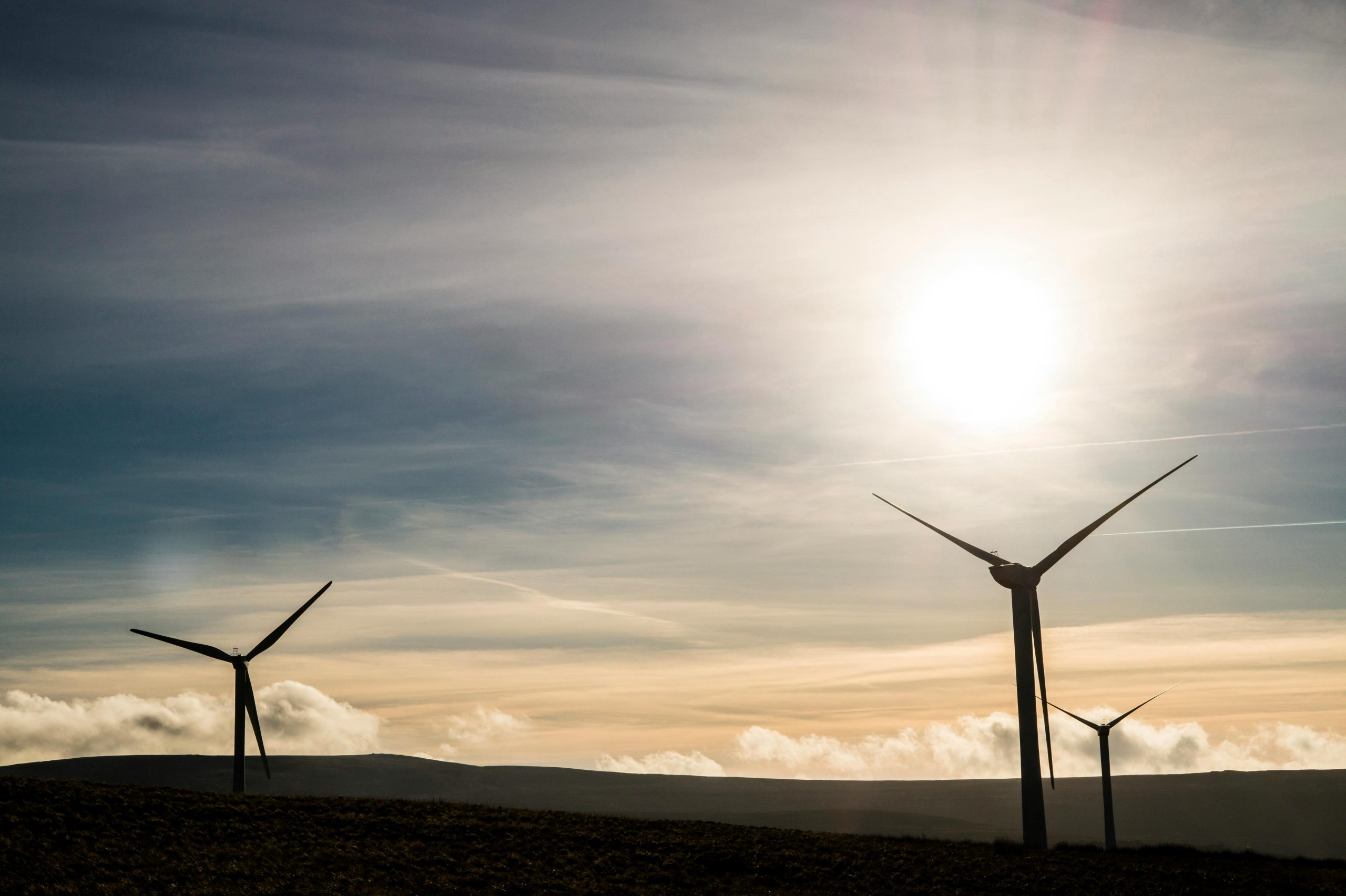
As the world confronts the urgent realities of climate change and environmental degradation, the energy sector stands at the forefront of a profound transformation. For decades, fossil fuels such as coal, oil, and natural gas dominated global energy production, powering economies but also driving greenhouse gas emissions and pollution. Today, a sweeping transition toward renewable energy sources is underway, fueled by technological innovation, policy shifts, and mounting public demand for sustainable alternatives. This investigative report explores the current state of this energy revolution, its challenges, and the potential pathways toward a cleaner, more resilient energy future.
Renewable energy sources—primarily solar, wind, hydroelectric, and increasingly geothermal and biomass—have seen unprecedented growth over the past decade. Advances in technology have dramatically lowered the costs of solar panels and wind turbines, making them competitive or even cheaper than fossil fuels in many regions. Countries like China, the United States, and members of the European Union are leading the charge with ambitious renewable capacity expansions, investment incentives, and commitments to carbon neutrality. For example, solar power capacity worldwide has increased tenfold since 2010, transforming energy grids and markets.
Despite these promising trends, the transition to renewable energy is complex and uneven. A central challenge lies in the intermittent nature of solar and wind power; the sun doesn’t always shine, and the wind doesn’t always blow. This intermittency requires sophisticated energy storage solutions and grid management techniques to ensure a stable and reliable supply. Battery technology, particularly lithium-ion and emerging solid-state batteries, has made significant progress but still faces limitations related to cost, scalability, and environmental impact. In parallel, efforts to modernize electricity grids into “smart grids” that can dynamically balance supply and demand are critical but require substantial infrastructure investment.
Another key hurdle is the economic and social implications of shifting away from fossil fuels. Regions and communities dependent on coal mining and oil extraction face job losses and economic disruption. Transition strategies—often referred to as “just transition” policies—aim to provide retraining, economic diversification, and social support to affected workers and regions. The success of these policies varies widely, influenced by political will, resource availability, and public engagement.
Global geopolitics also plays a significant role. Control over critical minerals like lithium, cobalt, and rare earth elements essential for renewable technologies and batteries has sparked new strategic competition. Countries with abundant reserves of these materials are gaining influence, while supply chain vulnerabilities and environmental concerns related to mining practices are prompting calls for ethical sourcing and recycling initiatives.
Renewables’ environmental benefits are substantial, yet they are not without concerns. Large-scale hydropower projects can disrupt ecosystems and displace communities. Wind farms sometimes face opposition due to noise and impacts on bird populations. Solar farms require land and resource inputs. Balancing environmental protection with renewable energy expansion requires careful planning and community involvement.
The energy transition also intersects with equity and access issues. Approximately 800 million people worldwide still lack reliable electricity access. Distributed renewable systems, such as rooftop solar and microgrids, offer promising solutions to provide clean energy to remote and underserved areas, improving health, education, and economic opportunities. However, financing and capacity-building remain significant barriers.
Policy frameworks and international cooperation are pivotal in accelerating the renewable shift. Agreements like the Paris Climate Accord set targets that drive national commitments and investment flows. Financial institutions are increasingly directing capital toward sustainable energy projects, while divestment from fossil fuels gains momentum. Nevertheless, the pace of change must accelerate significantly to meet global climate goals and avoid catastrophic environmental consequences.
Innovation continues to push the frontier of renewable energy. Emerging technologies like green hydrogen, which uses renewable electricity to produce clean fuel, and offshore wind farms with higher capacity potential, promise to broaden the energy mix and decarbonize hard-to-electrify sectors such as heavy industry and transportation. Digital technologies, including AI and blockchain, are being harnessed to optimize energy efficiency, trading, and consumption patterns.
In conclusion, the global energy transition represents one of the most ambitious and consequential undertakings of our time. This investigation highlights both the extraordinary progress and the formidable challenges that lie ahead. Achieving a sustainable, equitable, and secure energy future will require coordinated efforts among governments, industry, communities, and consumers. By embracing innovation, fostering inclusivity, and committing to environmental stewardship, the world can harness the power of renewable energy to build a healthier planet and a more prosperous future for all.









Leave a Reply