
In an age where a single event on one side of the planet can instantaneously shift the mood, markets, and minds of millions elsewhere, global breaking news has become the heartbeat of our collective reality. The speed at which news breaks and spreads today is unprecedented, transforming how societies engage with each other and how individuals perceive the world. It’s no longer a matter of catching up on yesterday’s headlines; rather, the news breaks, evolves, and often resolves—or spirals—before most have a chance to process it fully. This relentless stream of real-time updates does more than inform: it shapes geopolitics, economic trends, social movements, and public consciousness at a dizzying pace. In this comprehensive blog, we will unpack the nature of global breaking news, its mechanisms, the breadth of its impact, and the complex challenges that come with the instant transmission of information in today’s interconnected world.
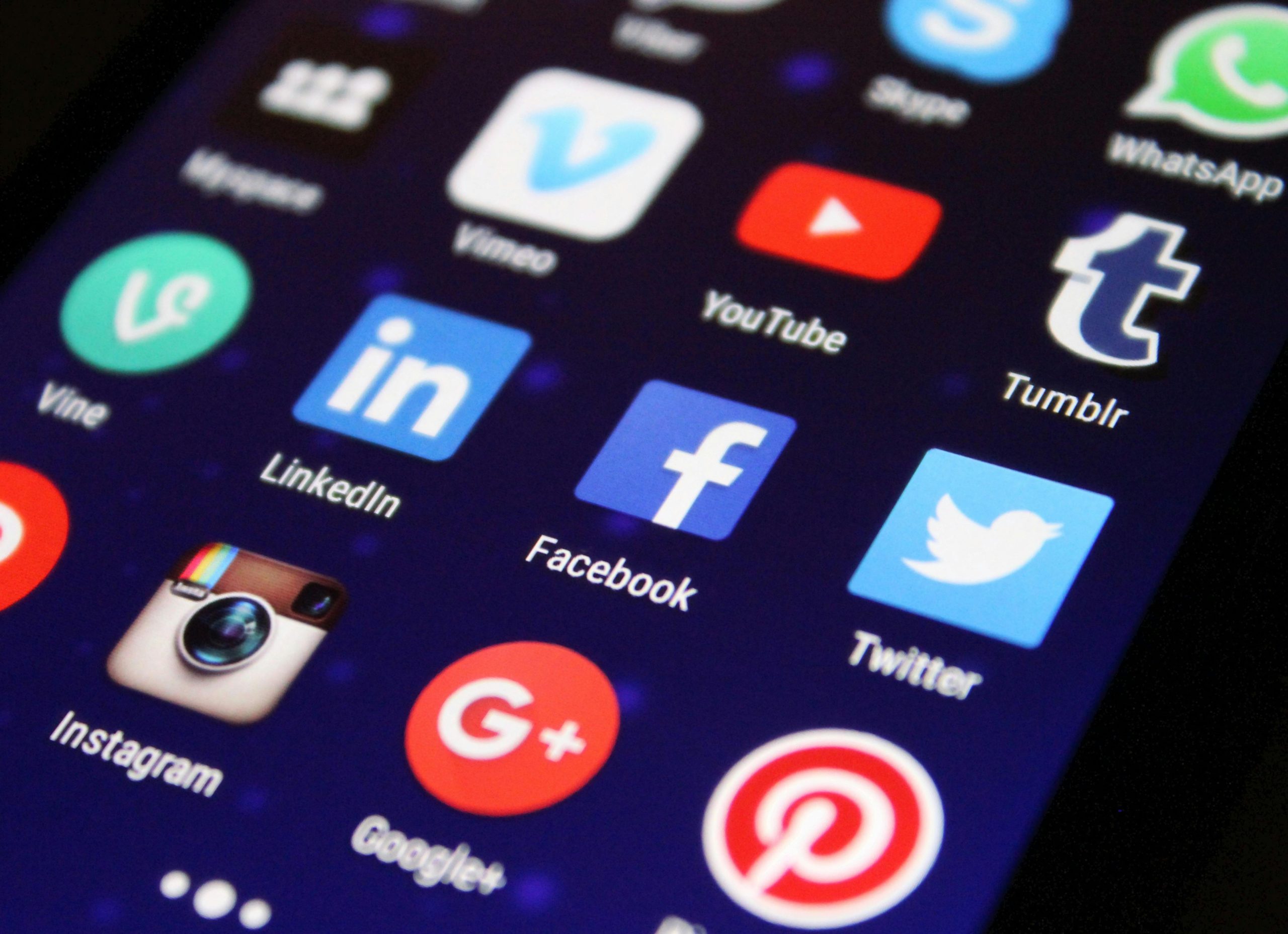
Global breaking news is fundamentally about immediacy and scale. Unlike traditional news cycles, which followed daily or weekly patterns, breaking news is reactive and continuous. It can emerge from political upheavals, economic shocks, natural disasters, health crises, or cultural phenomena, instantly capturing global attention. The digital revolution, particularly the rise of smartphones and social media platforms, has utterly transformed the landscape. Where once news was curated and filtered by professional journalists and editors, today anyone with a phone can become a reporter, sharing photos, videos, and firsthand accounts that can go viral within minutes. Platforms such as Twitter, Facebook, TikTok, and YouTube serve as both accelerators and amplifiers of breaking news, often outpacing traditional media outlets in getting the first scoop. While this democratization of information has positive effects—greater transparency, diverse perspectives, real-time eyewitness reports—it also complicates verification, sometimes spreading misinformation as fast as facts.
The backbone of the global breaking news ecosystem still relies heavily on the infrastructure of international news agencies. Organizations like Reuters, Associated Press, and Agence France-Presse act as trusted conduits, collecting verified information from correspondents stationed worldwide and distributing it to newsrooms, governments, and businesses. These agencies often provide the initial confirmation of events, which local and global media build upon. Their work involves a high degree of coordination and risk, particularly in conflict zones and disaster areas where access is difficult and safety is uncertain. Additionally, large media conglomerates and specialized broadcasters provide 24/7 coverage, employing sophisticated technologies including satellite feeds, drones, and data analytics to monitor and report breaking stories as they unfold.
Political events constitute a major segment of global breaking news, frequently setting the tone for international relations and public discourse. Elections in influential countries, unexpected government resignations, military coups, protests, peace negotiations, and sanctions are just a few examples of political occurrences that generate immediate worldwide attention. These events often trigger chain reactions, affecting diplomatic ties, trade agreements, and even security alliances. For example, shifts in US, China, or European leadership can alter global policy directions, while regional conflicts in the Middle East, Eastern Europe, or Africa often prompt rapid international diplomatic and humanitarian responses. The real-time nature of breaking political news not only informs citizens but also shapes the strategic calculations of governments and multinational organizations.
Economics and finance form another critical arena for global breaking news. Market openings, stock crashes, currency devaluations, interest rate announcements, and major trade deals are monitored intensely by investors, policymakers, and businesses alike. Events like the 2008 financial crisis or the recent volatility caused by pandemic-related disruptions illustrate how economic breaking news can ripple quickly across borders, affecting employment, prices, and national stability. The growing prominence of digital currencies and fintech innovations adds new dimensions to this landscape, with news of regulatory moves, cyberattacks, or technological breakthroughs able to move markets in seconds. Moreover, international institutions such as the International Monetary Fund (IMF) and the World Bank release forecasts and policy decisions that regularly break on the global stage, influencing economic planning worldwide.
Environmental and climate news has surged in prominence as the planet faces escalating ecological challenges. Hurricanes, wildfires, floods, droughts, and rising sea levels not only destroy lives and livelihoods but also serve as urgent signals of climate change’s accelerating impacts. Breaking news coverage of these disasters mobilizes global aid and raises awareness, influencing policy debates and public opinion. International climate summits and agreements likewise generate headlines with the potential to steer global action or expose divisions. Environmental activism, often propelled by breaking news stories and viral campaigns, has become a powerful force in shaping corporate practices and governmental priorities, demonstrating how media exposure can translate into tangible change.
Health emergencies underscore the indispensable role of global breaking news in public safety and awareness. The COVID-19 pandemic starkly highlighted this reality, with news breaking continuously on new variants, vaccine rollouts, travel restrictions, and policy responses. The rapid flow of information helped coordinate international efforts but also exposed vulnerabilities such as misinformation and political interference. Beyond pandemics, other health crises—such as outbreaks of Ebola, Zika, or drug-resistant infections—frequently generate breaking news due to their potential global ramifications. Additionally, breakthroughs in medical research and technology regularly capture attention, promising new treatments and raising ethical debates. The ability of breaking news to inform populations about health risks and innovations plays a critical role in shaping behaviors and health outcomes worldwide.
Scientific and technological breakthroughs often inspire optimism and wonder, making them frequent subjects of global breaking news. Achievements in space exploration, renewable energy, artificial intelligence, quantum computing, and biotechnology have broad societal implications. When NASA lands a rover on Mars or when researchers announce a breakthrough in cancer treatment, such news instantly captivates global audiences and prompts discussion about humanity’s future. These stories also raise critical questions about ethics, governance, and the distribution of benefits and risks associated with emerging technologies, illustrating how breaking news can spark not only excitement but also important public debates.
Social justice movements and human rights issues are regularly thrust into the global spotlight by breaking news coverage. Protests for racial equality, women’s rights, democracy, labor protections, and environmental justice reverberate through social media and international news, connecting movements across countries and continents. The visibility afforded by breaking news empowers activists, pressures governments, and sometimes sparks policy reforms. However, these stories can also provoke backlash and censorship, underscoring the fraught relationship between media, power, and societal change. The digital amplification of these movements highlights how breaking news today is intertwined with activism and the ongoing global struggle for dignity and justice.
Natural disasters demand immediate and widespread coverage due to their sudden and devastating impact on communities. Earthquakes, tsunamis, volcanic eruptions, floods, and wildfires often strike without warning, making real-time news coverage vital for rescue operations and humanitarian assistance. Advances in satellite imagery, early warning systems, and communication technologies have improved the speed and accuracy of disaster reporting, but challenges remain in reaching vulnerable populations and balancing urgency with sensitivity. Media coverage also plays a crucial role in raising international awareness and aid, while sometimes sparking discussions on climate adaptation and infrastructure resilience.
The digital age brings significant opportunities but also major challenges to global breaking news. Social media’s power to disseminate information rapidly is a double-edged sword. It enables grassroots reporting and wide access but also facilitates the spread of misinformation, fake news, and propaganda. The velocity with which false information can travel risks amplifying panic, sowing division, and undermining trust in legitimate sources. Efforts by journalists, fact-checkers, platforms, and governments to combat misinformation are ongoing but complex, raising difficult questions about censorship, freedom of expression, and accountability in the digital public sphere.
Journalism itself is undergoing profound transformation in this environment. The pressure to deliver breaking news instantly while maintaining accuracy is immense. Economic challenges, audience fragmentation, and political hostility threaten the viability and independence of many news organizations. Investigative journalism and nuanced reporting, essential for contextualizing breaking news, often struggle to survive in the rush for clicks and ratings. Journalists face physical dangers in conflict zones and digital harassment online. Supporting ethical, resilient journalism is critical to ensuring that breaking news serves democracy and public knowledge rather than disinformation or sensationalism.
The societal impact of global breaking news is profound and multifaceted. It shapes how individuals perceive the world and their place in it, influencing emotions, opinions, and actions. Timely information empowers democratic participation, fosters global solidarity, and facilitates humanitarian responses. Yet the constant barrage of sometimes distressing news can also overwhelm, causing anxiety, fatigue, and disengagement. Media literacy, critical consumption, and editorial responsibility are key to helping societies harness the benefits of breaking news while mitigating its risks.
Looking ahead, the future of global breaking news will be shaped by technological innovation, geopolitical shifts, and evolving social expectations. Artificial intelligence and machine learning will play larger roles in news gathering, verification, and personalization, potentially enhancing speed and accuracy but also raising ethical questions. Immersive technologies such as virtual and augmented reality may offer deeper engagement with global events, fostering empathy and understanding. The challenge will be to maintain transparency, uphold journalistic integrity, combat misinformation, and ensure inclusive access in a rapidly evolving media ecosystem.
In conclusion, global breaking news is more than a continuous stream of headlines—it is the dynamic force that shapes our understanding of the world, informs decisions, and connects humanity. The instantaneous nature of today’s news cycles creates unparalleled opportunities for awareness and action, but also demands heightened responsibility, critical thinking, and innovation. As we navigate the complexities of the 21st century, the way we produce, consume, and respond to global breaking news will significantly influence the health of our societies, democracies, and planet. The world is moving fast—breaking news keeps pace. Our task is to engage with it wisely, ethically, and with a commitment to truth and shared humanity.







Leave a Reply