
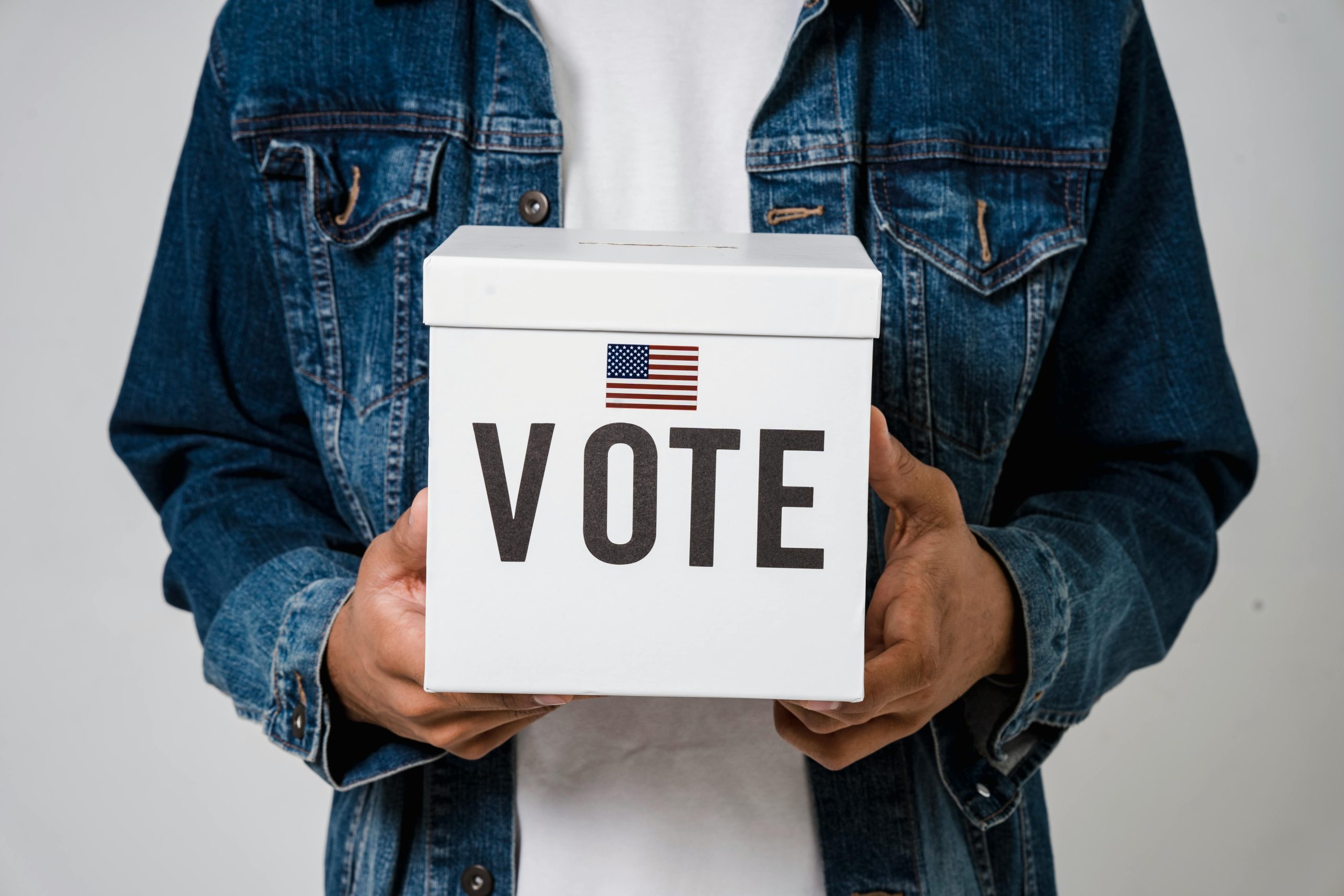
Elections stand as one of the most defining moments in the life of any democracy. They are the occasions when citizens cast their votes, voices that echo through the chambers of power to decide who governs and how a nation’s future unfolds. At their best, elections embody the promise of democracy — participation, representation, accountability, and change. Yet beneath this ideal lie intricate systems, fierce contests, strategic calculations, and deep societal currents that shape outcomes in ways far beyond the simple act of voting. The world of politics and elections is rich with drama, power struggles, ideology, innovation, and challenges. To truly understand this arena is to explore the historical evolution of electoral systems, the mechanics of voting, the influence of campaigns and media, the behavior of voters, and the growing impact of technology and globalization. This blog delves into the many layers of politics and elections, uncovering the forces at play and why this process matters more than ever in our complex, interconnected world.
At its core, an election is the peaceful means by which people choose their leaders and representatives, a tool that translates popular will into political power. However, elections come in many forms and are governed by a variety of rules that influence how votes translate into seats or offices. Electoral systems can range from the familiar “first-past-the-post” method, where the candidate with the most votes wins, to proportional representation systems that allocate seats based on the percentage of votes each party receives. Each system has its advantages and drawbacks, affecting political competition, party structures, and voter representation. For example, winner-takes-all systems often produce stable governments but can marginalize minority groups, while proportional representation encourages pluralism but can lead to fragmented legislatures and coalition governments. Mixed electoral systems attempt to blend these approaches, balancing stability with inclusiveness. The design of an electoral system profoundly shapes political landscapes, influencing everything from party behavior to voter engagement.
Political parties play a central role in elections, serving as vehicles for ideas, platforms, and leadership. They organize campaigns, recruit candidates, mobilize voters, and formulate policy proposals. The nature of party systems varies widely—from dominant-party states where one party holds sway, to two-party systems characterized by competition between two major groups, to multiparty democracies with diverse political representation. The health of party systems is often a key indicator of democratic maturity. In some contexts, parties provide meaningful choices and accountability, while in others, they may be fragmented, corrupt, or controlled by elites. The relationship between parties and voters is shaped by historical legacies, social cleavages, and political culture, affecting voter loyalty and electoral volatility. The rise of populist movements in recent years has challenged traditional party structures, injecting new dynamics into political competition and reshaping election outcomes worldwide.
Campaigns are the battlegrounds where parties and candidates vie for voter support. Modern election campaigns have evolved into complex, resource-intensive operations that combine traditional methods such as rallies and canvassing with advanced data analytics, targeted advertising, and social media outreach. Campaign finance has become a critical issue, as the cost of running competitive campaigns rises and questions emerge about the influence of wealthy donors, corporations, and special interest groups. Regulations on campaign funding vary widely and face enforcement challenges, particularly in the digital realm where online ads and political messaging can be less transparent. Campaign strategies also reflect deeper societal divisions and narratives—whether centered on economic concerns, identity politics, nationalism, or social justice—and their success depends on how well they connect with diverse voter segments.
The media plays a pivotal role in shaping electoral politics. Traditional media outlets—television, newspapers, radio—remain important sources of information and analysis, setting the agenda and framing political debates. However, the rise of digital media and social platforms has revolutionized political communication, enabling instant dissemination of information, direct engagement between politicians and voters, and the viral spread of content. This transformation brings both opportunities and risks. While social media can enhance democratic participation and provide a platform for marginalized voices, it also facilitates misinformation, polarization, and manipulation. Fake news, conspiracy theories, and foreign interference campaigns have become major concerns in recent elections, prompting debates about platform responsibility, content moderation, and media literacy. The media ecosystem during elections is a contested space that influences public opinion and ultimately the legitimacy of the democratic process.
Voters are the ultimate arbiters of elections, and their behavior is complex and influenced by numerous factors. Economic conditions such as unemployment, inflation, and inequality can drive voters toward candidates promising change or stability. Social identities—including ethnicity, religion, gender, and class—shape political preferences and party affiliations in many contexts. Psychological factors, including emotions, candidate charisma, and perceived trustworthiness, also play significant roles. Moreover, institutional factors like voter registration procedures, access to polling places, and the voting system itself affect turnout and participation. Understanding voter behavior helps explain why elections yield certain outcomes and how political actors can engage effectively with the electorate. Challenges such as voter suppression, misinformation, and apathy undermine participation and weaken democratic legitimacy, making voter education and protection essential components of healthy elections.
The administration of elections is a complex logistical and legal endeavor requiring transparency, efficiency, and fairness. Electoral management bodies are responsible for registering voters, designing ballots, setting up polling stations, training staff, counting votes, and certifying results. The use of technology in elections has expanded, including electronic voting machines, biometric registration, and digital reporting systems. These tools can increase speed and accuracy but also raise concerns about security, hacking, and public trust. Electoral disputes and challenges are common, especially in close races or contexts with low institutional trust, requiring robust legal frameworks and independent judicial oversight to resolve conflicts peacefully. International election observers frequently play a role in monitoring electoral integrity and bolstering public confidence, though their presence is sometimes contested by host governments.
The aftermath of elections shapes political trajectories and governance. A credible election result facilitates smooth transitions of power and enables newly elected leaders to implement their agendas. However, contested elections can trigger instability, protests, or even violence. The strength of democratic institutions, the rule of law, and respect for political opponents are critical in managing post-election dynamics. Coalition formation, legislative negotiations, and public engagement continue as governments respond to electoral mandates. The global community often watches closely, as the outcomes of elections in major powers or fragile states can affect regional and international stability. Increasingly, the international dimension includes concerns over electoral interference, sanctions, and support for democratic development.
Globalization and technological advances have introduced new challenges and opportunities in the realm of politics and elections. Foreign influence operations via cyberattacks and disinformation campaigns have targeted elections worldwide, threatening sovereignty and democratic processes. The COVID-19 pandemic disrupted traditional campaigning and voting methods, accelerating the adoption of mail-in ballots, early voting, and virtual events, with mixed success and ongoing debates about security and access. Emerging issues such as climate change, demographic shifts, and economic globalization are reshaping electoral agendas and voter concerns, demanding adaptive political strategies. The interplay between local contexts and global forces makes contemporary elections more interconnected and complex than ever before.
Despite the numerous challenges faced by elections, they remain foundational to democracy and citizen empowerment. They provide a peaceful means for political competition, legitimize governance, and offer opportunities for public influence. Strengthening elections requires continuous efforts in legal reform, voter education, media independence, technological safeguards, and international cooperation. The quality of elections is a bellwether for democratic health and societal trust. Citizens, political actors, institutions, and the global community share responsibility in safeguarding the integrity and inclusiveness of this vital process.
In conclusion, politics and elections are intricate and powerful phenomena that reflect and shape the aspirations, conflicts, and identities of societies. They involve complex legal frameworks, strategic behavior, social dynamics, media influences, technological innovations, and global interactions. Elections are not merely events on a calendar but ongoing processes that influence governance, legitimacy, and the future direction of nations. As the world evolves amid rapid technological change and geopolitical shifts, the importance of transparent, fair, and meaningful elections remains paramount. Engaging with the rich complexities of politics and elections is essential to fostering resilient democracies and ensuring that the power of the ballot continues to be a force for representation, justice, and progress.




Leave a Reply