
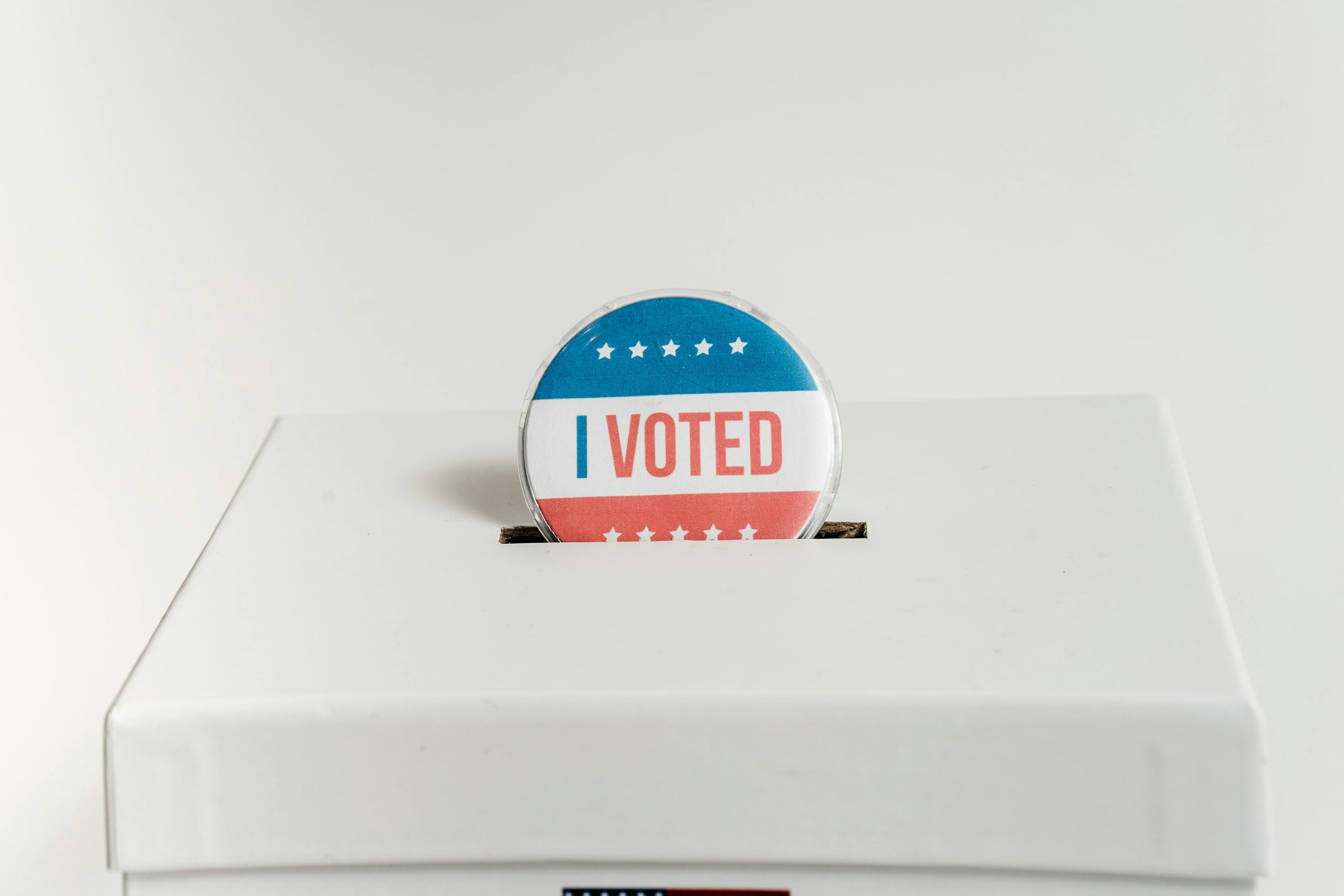
Elections are much more than just a date on the calendar; they are the very crucible in which the fate of nations is forged. These events, where millions or even billions of people take to the polls, are the defining acts of democracy, moments that determine who holds power and which ideas will steer a country’s future. Yet, while voting may seem like a straightforward exercise—marking a ballot and choosing a candidate—the reality behind elections is staggeringly complex. The interplay of political forces, social dynamics, historical legacies, technological advancements, and economic pressures all converge in this high-stakes contest that has implications reaching far beyond the ballot box. To truly grasp the impact of politics and elections, one must dive deep into the myriad elements that influence every step—from campaign strategies and voter behavior to election laws and global interference. This blog unpacks the multifaceted world of politics and elections, exploring why they matter, how they work, the challenges they face, and what they reveal about the societies they govern.
At the heart of every election lies the fundamental principle of democracy: the transfer of power through the will of the people. The ability of citizens to choose their leaders is a powerful expression of political agency and collective decision-making. However, the processes that underpin elections differ dramatically worldwide, shaped by legal frameworks, cultural norms, and political traditions. Electoral systems vary from majoritarian models, where the candidate with the most votes wins outright, to proportional representation systems that allocate seats based on the share of votes each party receives. Mixed systems combine elements of both. These different approaches influence not only the mechanics of voting but also the nature of political competition, the representation of minority groups, and the stability of governments. For example, first-past-the-post systems can encourage two-party dominance and clearer mandates but may leave significant portions of the electorate feeling unrepresented. In contrast, proportional systems can foster diverse representation but sometimes lead to coalition governments that struggle with decision-making. Understanding these systems is essential because they frame how politics unfolds during and after elections.
Political parties are the engines that drive elections. They articulate ideologies, organize campaigns, recruit candidates, and mobilize voters. The nature of party systems can range from highly institutionalized and disciplined, to fragmented and personalized around individual leaders. In mature democracies, parties often have deep historical roots and clearly defined platforms. In newer or transitional democracies, parties might be more fluid and centered on charismatic figures or shifting alliances. The evolution of parties is closely tied to social structures: ethnic, religious, class, or regional identities often form the backbone of political coalitions. Over recent decades, there has been a noticeable rise in populist parties and movements across many countries. These groups often challenge established political elites and claim to represent “the people” against corrupt or disconnected institutions. While populism can energize political participation and address legitimate grievances, it also risks undermining democratic norms and promoting divisive politics.
Election campaigns have grown into sophisticated operations, blending traditional voter outreach with cutting-edge technology. Campaigns deploy armies of volunteers, engage in televised debates, hold rallies, and flood digital platforms with targeted advertisements. Modern campaigns rely heavily on data analytics and micro-targeting techniques to reach specific voter groups with tailored messages. This ability to analyze voter preferences and behavior has transformed political marketing, allowing campaigns to craft narratives that resonate emotionally and ideologically. However, the rising costs of campaigns raise questions about equity and access. Wealthy candidates and interest groups often have disproportionate influence, leading to ongoing debates about campaign finance regulations and transparency. Moreover, the increased use of social media has dramatically changed how campaigns communicate. While it offers direct engagement and rapid dissemination of information, it also opens doors to misinformation, echo chambers, and foreign interference. The role of social media in elections is arguably one of the most contested aspects of modern politics.
The media plays a critical role in shaping public perceptions during elections. Traditional media such as newspapers, radio, and television continue to provide news, analysis, and editorial perspectives, often setting the tone for public discourse. However, digital platforms have democratized information flows, enabling citizens and activists to share content directly and widely. This has expanded the range of voices in political debates but also contributed to fragmentation and polarization. The proliferation of misinformation and fake news has become a serious concern, with false or misleading stories potentially swaying voter opinions or undermining trust in electoral institutions. Journalistic integrity and fact-checking efforts are more important than ever but face challenges in a fast-paced, attention-driven environment. Media literacy among voters is increasingly recognized as essential to navigate this complex information ecosystem.
Voter behavior is shaped by a multitude of factors including economic conditions, social identities, political values, and emotional responses. Economic performance—such as job growth, inflation, or inequality—often plays a decisive role in electoral outcomes. When citizens feel economically insecure, they may seek change through voting for opposition candidates or parties promising reform. Conversely, perceived stability and prosperity can bolster incumbent support. Social identities such as ethnicity, religion, gender, and class often influence political alignments and voter turnout. These cleavages can be sources of political mobilization but also division. Psychological factors—such as candidate charisma, trustworthiness, and campaign messaging—also significantly affect voter preferences. Importantly, institutional factors such as voter registration laws, access to polling stations, and voting procedures impact who votes and how easy it is to participate. In many parts of the world, voter suppression tactics remain a barrier to full democratic participation. Understanding the interplay of these factors is vital to interpreting election results and designing inclusive electoral systems.
The administration of elections is a massive logistical and regulatory endeavor that requires transparency, fairness, and security. Election management bodies are tasked with registering voters, ensuring the accessibility of polling stations, designing ballots, training election workers, counting votes, and certifying results. Increasingly, technology is integrated into these processes through electronic voting machines, biometric registration systems, and digital reporting platforms. While technology can improve efficiency and accuracy, it also introduces risks such as hacking, software glitches, and challenges to transparency. The integrity of elections depends on robust procedures, legal frameworks, and independent oversight. Electoral disputes, whether related to fraud allegations, vote counting errors, or eligibility issues, require effective dispute resolution mechanisms and impartial judiciary systems. International election observers play a key role in monitoring electoral processes and lending legitimacy to outcomes, though their access and impact can vary depending on the political context.
The aftermath of elections is a critical phase in political life. Election results not only determine who governs but also set the tone for policy priorities, political stability, and democratic consolidation. Peaceful transfer of power is a hallmark of mature democracies, but in many countries, contested or disputed elections have led to protests, violence, or even civil conflict. The ability of political actors and institutions to manage post-election dynamics—including coalition building, legislative negotiations, and addressing grievances—is vital to democratic health. Electoral outcomes can reshape international relations, especially when new governments shift foreign policy or when elections influence the balance of power in volatile regions. Globalization has heightened the interconnectedness of elections worldwide, with foreign governments, international organizations, and transnational actors often playing active roles in election monitoring, support, or interference.
Recent years have seen the emergence of new challenges and opportunities in the realm of politics and elections. The COVID-19 pandemic forced many countries to adapt voting procedures, introducing or expanding mail-in ballots, early voting, and health protocols. These changes sparked debates over accessibility, security, and legitimacy, highlighting the need for adaptable and resilient electoral systems. Technology continues to reshape electoral politics: data-driven campaigns, artificial intelligence, and deepfake technologies are changing how candidates engage with voters and how misinformation spreads. Cybersecurity has become a top priority to protect electoral infrastructure from hacking and disruption. Climate change and demographic shifts also increasingly influence electoral politics, shaping voter concerns and policy platforms. The rise of identity politics and polarization complicates consensus-building and governance but also reflects deeper societal transformations.
Despite the numerous hurdles, elections remain foundational to democracy and citizen empowerment. They provide a peaceful mechanism for political competition and leadership selection, lending legitimacy to governments and enabling accountability. Strengthening elections involves continuous reforms—improving legal frameworks, enhancing voter education, supporting independent media, safeguarding electoral technology, and fostering inclusive participation. Civic engagement and media literacy are crucial for ensuring informed voting and resisting manipulation. Moreover, international cooperation can help uphold democratic norms and provide support in fragile or transitioning democracies. The health of elections is a reflection of the broader democratic environment and societal trust.
In conclusion, politics and elections constitute a vibrant, complex system that embodies the aspirations, tensions, and identities of societies around the world. From the design of electoral systems and the behavior of voters to the role of media and the administration of polling, each element interlocks to shape the functioning of democracy. The challenges posed by misinformation, polarization, technological disruption, and external interference require vigilant and adaptive responses. However, the enduring power of elections lies in their ability to enable peaceful expression of political will, to renew mandates, and to foster collective decision-making. As the global political landscape continues to evolve amidst rapid social and technological change, engaging deeply with the intricacies of politics and elections remains essential for citizens, leaders, and observers committed to building resilient and representative democracies. The next decisive moment is always just around the corner, reminding us that the power of the ballot is among the most potent forces shaping our shared future.




Leave a Reply