
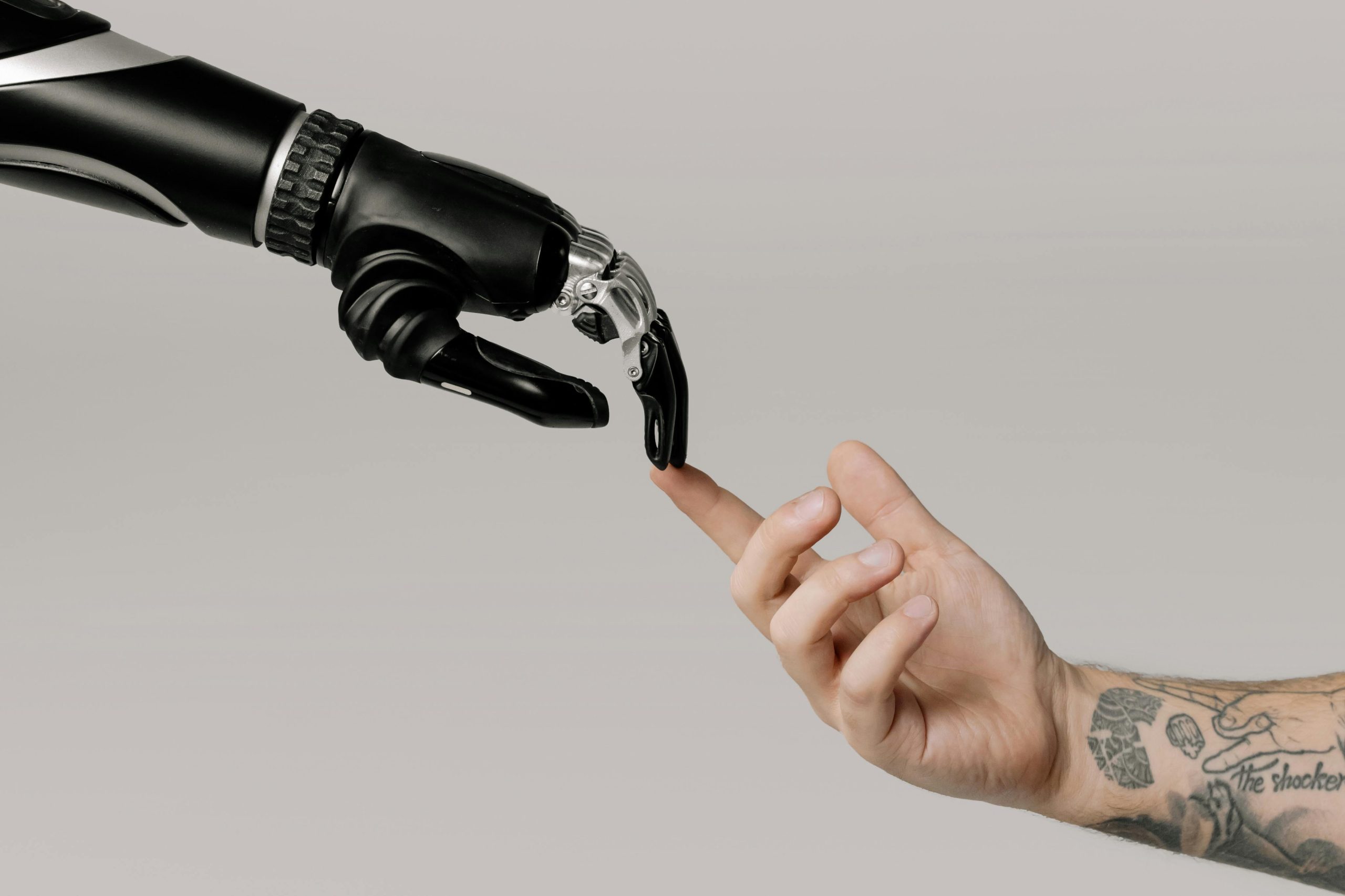
The future of work is no longer a distant concept but a present reality unfolding at an unprecedented pace. Automation, artificial intelligence (AI), and other emerging technologies are transforming the way we live, work, and interact with the world around us. These advancements promise increased productivity, efficiency, and the creation of new types of jobs, but they also bring significant challenges—job displacement, skills gaps, and socio-economic inequality. This blog explores the profound changes shaping the future of work, the forces driving these shifts, the impact on different sectors and workers, and the steps necessary to ensure that technological progress benefits society as a whole.
At the heart of this transformation is automation—the use of machines, software, and AI to perform tasks that previously required human labor. Robotics and AI systems excel in repetitive, routine, and data-driven activities, rapidly replacing roles in manufacturing, logistics, customer service, and even professional sectors like accounting and legal research. For example, AI-powered algorithms can now analyze legal documents faster than junior lawyers, and automated warehouses use robots to fulfill orders with precision and speed. While this increases efficiency and reduces costs for businesses, it also threatens millions of jobs worldwide, particularly those involving routine manual or cognitive tasks.
However, automation is not solely about job elimination; it also creates new opportunities. As machines handle repetitive work, human roles shift toward creativity, complex problem-solving, interpersonal skills, and oversight of AI systems. Emerging fields such as AI ethics, data science, robotics maintenance, and digital content creation are expanding rapidly. Additionally, technologies like augmented reality and virtual collaboration tools are redefining remote work and enabling flexible, hybrid workplace models. This evolution requires workers to continuously update their skills and adapt to changing job demands, highlighting the critical importance of lifelong learning and reskilling initiatives.
The impact of automation and AI is uneven across industries and demographics. While sectors like manufacturing and transportation face significant disruption, healthcare, education, and creative industries experience different dynamics, often integrating technology to augment rather than replace human labor. Moreover, workers with higher education and digital skills are generally better positioned to benefit from technological change, while those in low-skill jobs risk displacement and economic insecurity. Women, minorities, and marginalized communities often bear the brunt of these disparities, exacerbating existing inequalities unless targeted interventions are implemented.
Governments and businesses play pivotal roles in shaping the future of work. Public policies that promote education reform, vocational training, social safety nets, and inclusive economic growth can mitigate negative impacts and foster equitable transitions. Some countries have introduced programs to support displaced workers with retraining and income support. Companies are increasingly investing in employee development and adopting ethical frameworks for AI deployment. Collaborative efforts involving labor unions, educational institutions, and the private sector are essential to align workforce skills with emerging opportunities and ensure fair labor practices.
The rise of AI also raises ethical and legal questions about surveillance, decision-making transparency, bias, and worker autonomy. For example, AI-driven hiring tools may inadvertently perpetuate discrimination, while workplace monitoring technologies can infringe on privacy. Developing clear guidelines, accountability mechanisms, and participatory governance models is crucial to balance innovation with human rights and dignity.
Technology also influences broader societal trends linked to work, including urbanization, economic polarization, and cultural perceptions of labor. The gig economy, enabled by digital platforms, offers flexible income opportunities but often lacks job security and benefits. Automation may reduce demand for traditional office jobs, impacting city centers and commuting patterns. Meanwhile, debates about universal basic income and reduced working hours gain traction as societies grapple with the implications of widespread automation.
Looking forward, the future of work hinges on adaptability, resilience, and human-centered innovation. Embracing technology as a tool to enhance human potential rather than replace it is key. Educational systems must evolve to emphasize critical thinking, creativity, emotional intelligence, and digital literacy. Businesses must foster inclusive cultures and ethical technology use. Policymakers must enact frameworks that support economic inclusion, social protection, and continuous skill development. Workers themselves must be empowered with resources and opportunities to navigate change confidently.
In conclusion, automation and AI are reshaping the labor landscape in profound and complex ways. While they bring unprecedented opportunities for growth and innovation, they also present challenges that demand proactive, collaborative responses. The future of work is not predetermined; it is shaped by the choices society makes today. By embracing inclusive policies, ethical practices, and lifelong learning, we can build a future where technology amplifies human creativity, dignity, and prosperity for all. The journey ahead is challenging but filled with potential—a future of work that redefines what it means to contribute, succeed, and thrive in the digital age.









Leave a Reply