
Politics and elections in 2026 are shaping up to be among the most consequential in recent memory, both in the United States and internationally. As voters prepare to head to the polls, political landscapes are being defined by deepening public dissatisfaction, shifting party dynamics, and broader struggles over democratic norms. In the U.S., a combination of redistricting battles, energized independent voters, and closely watched Senate and House races are setting the stage for what could be a transformative midterm election cycle. Meanwhile, across the globe, elections from Europe to Africa are revealing broader trends in political polarization, democratic resilience, and rising challenges to electoral integrity.
In the United States, the 2026 midterm elections will determine the composition of the House of Representatives, all 435 seats, as well as key Senate races and dozens of state-level offices, including secretaries of state in 26 states—positions that play crucial roles in election administration and integrity. The battle for control of the House is particularly intense: Republicans currently hold a narrow majority, and both parties are investing heavily in winning over key districts. A recent federal court ruling allowing California to implement a new, voter‑approved congressional map could shift the balance by potentially giving Democrats up to five additional seats—an outcome that may influence who controls the House after November 2026.
On the Senate side, several high‑profile races are already underway, including in states such as Michigan, where long‑serving Democratic Senator Gary Peters has chosen not to seek re‑election, opening up a competitive contest, and in North Carolina and Louisiana, where both parties are gearing up for spirited campaigns. Control of the Senate remains a key objective for both Democrats and Republicans as they vie to influence federal policy on issues ranging from economic policy to social programs and judicial appointments.
Political dynamics in the U.S. are also being shaped by shifting voter identities. According to a recent Gallup poll, a record 45 % of American adults now identify as political independents—a trend that many analysts view as a sign of frustration with the major parties and a potential wildcard in tight races. Independent voters, often motivated by economic concerns such as inflation and affordability, could play a decisive role in determining election outcomes, particularly in competitive districts and states.
The midterm elections are unfolding against the backdrop of passionate grassroots movements and energized political communities. In the wake of notable 2025 election wins for Democrats across several states, including Virginia, New Jersey, and California, Democratic organizers are optimistic about translating momentum into broader success in 2026, even as Republicans emphasize issues like border security and tax policy. These dynamics reflect a deeply divided electorate, with voters sharply split on their priorities and satisfaction with current leadership, setting the stage for intense campaigning and fierce competition.
Internationally, election activity in 2026 underscores both the promise and fragility of democratic processes. In Europe, Portugal’s presidential race is heading toward a rare runoff vote, driven by political fragmentation and voter dissatisfaction with established parties. Far‑right parties, such as Chega in Portugal, have gained notable traction, reflecting broader populist trends across the continent. Political scientist observers have also warned of potential risks posed by far‑right movements in other key elections, such as regional contests in Germany that could influence broader political transitions. These developments are part of a wider pattern identified by analysts: traditional political groupings are under pressure, and political extremes are redistributing support in ways that challenge established democratic norms.
In Africa, elections in Uganda spotlight tensions between long‑standing authorities and rising opposition forces. President Yoweri Museveni, in power for nearly four decades, is seeking another term amid allegations of repression, internet blackouts, and severe pressure on opposition leaders. Such circumstances have drawn international concern over electoral fairness and civil liberties, illustrating how elections can both reinforce incumbency and spark demands for generational change.
Political unrest related to elections is not confined to Africa and Europe. In Bulgaria, widespread protests have erupted over demands for fair voting systems and transparent electoral processes, even as political instability has led to repeated attempts to form a government and the potential for yet another election in the near future. In other parts of the world, such as the Asia‑Pacific region, recent elections have revealed both gains and declines in democratic representation and civil liberties, with voter turnout remaining high but concerns about freedom of expression and press restrictions persisting.
The sheer scale of electoral activity globally is remarkable. According to international data, hundreds of elections are scheduled across dozens of countries in 2026, meaning billions of people will participate in shaping their governments and public policies. These elections will influence everything from economic strategies and foreign relations to human rights and social welfare. However, global reports also indicate that despite the volume of electoral processes, political violence, ballot manipulation, and declines in political rights have persisted, underscoring ongoing challenges to the health of global democracies.
The interconnectedness of modern politics means that developments in one region can reverberate globally. Policy shifts and election outcomes in major powers influence markets, international alliances, and global governance on issues like climate change, security, and trade. Many experts predict that 2026 could be a watershed year for international politics, with elections serving as flashpoints for broader debates about democratic resilience, economic inequality, and the role of populist movements in shaping the future.
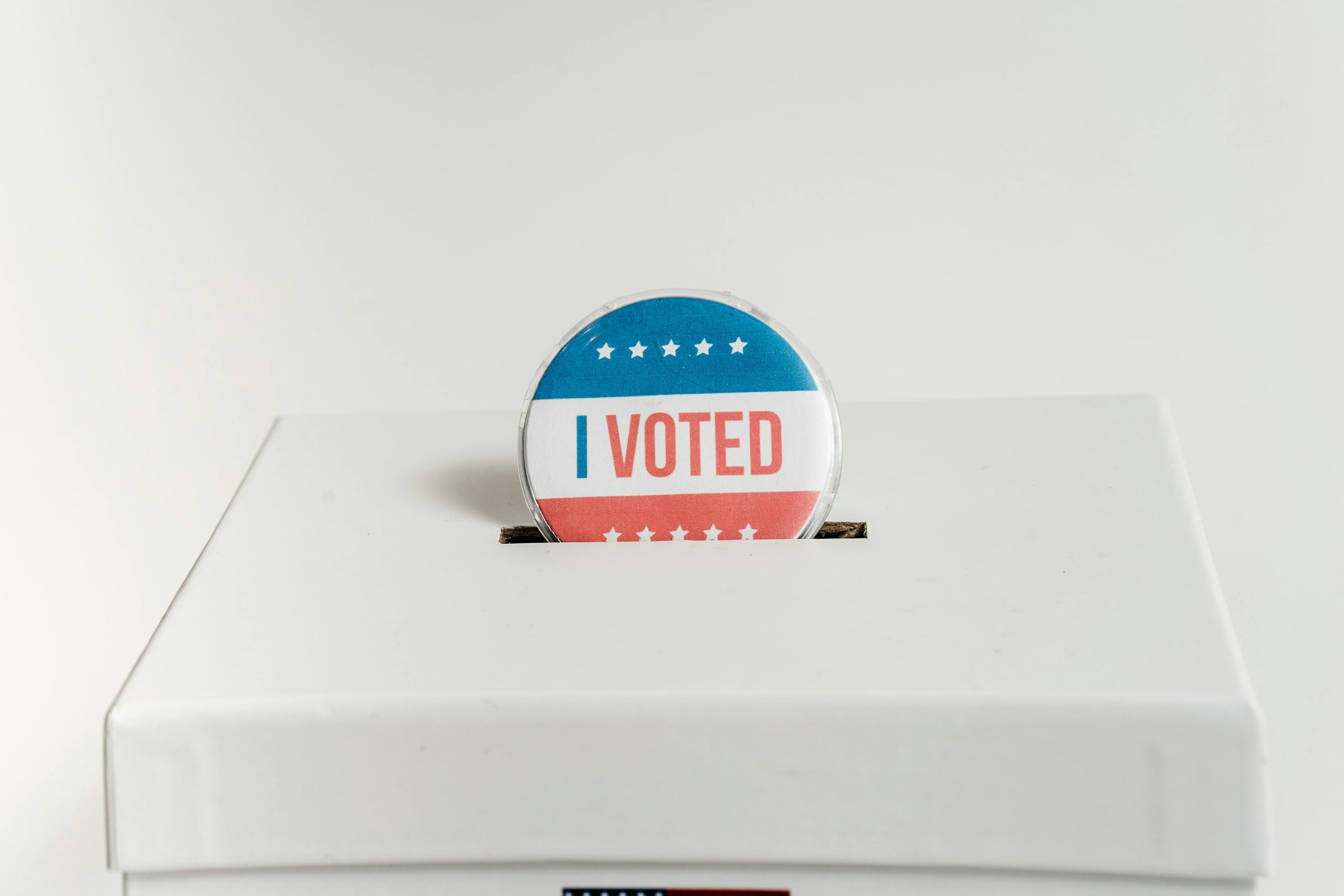
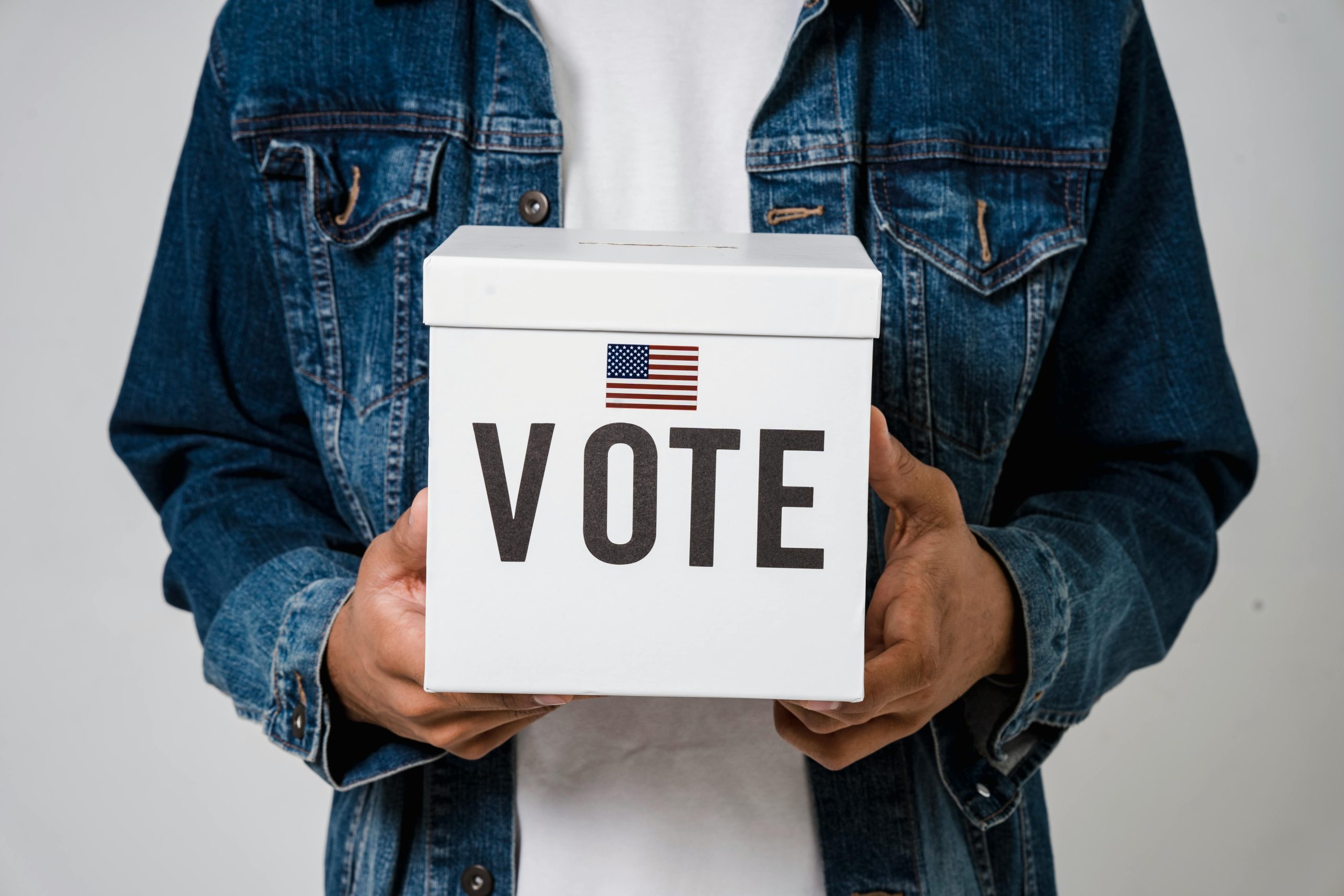
In the U.S., the importance of citizen engagement cannot be overstated. With several competitive races and narrow margins likely determining control of Congress and state offices, voter turnout and grassroots mobilization efforts are already intensifying. Campaigns are increasingly focused on issues that resonate at the local level—such as healthcare affordability, access to education, and public safety—while also navigating national narratives about freedom, economic opportunity, and governance.
As the year progresses, voters around the world will be watching closely. In 2026, elections are not merely political events; they are moments of civic reckoning, reflection, and potential transformation. Whether emerging democracies can withstand pressures of polarization, whether long‑standing leaders will face genuine competition, and whether citizens feel empowered to shape their own futures remain central questions as ballots are cast and counted. In an era where information travels instantly and public discourse evolves rapidly, the outcomes of these elections will not only determine who holds power—but also how democracies uphold the fundamental principles of representation, transparency, and accountability in an era of global uncertainty.



Leave a Reply