
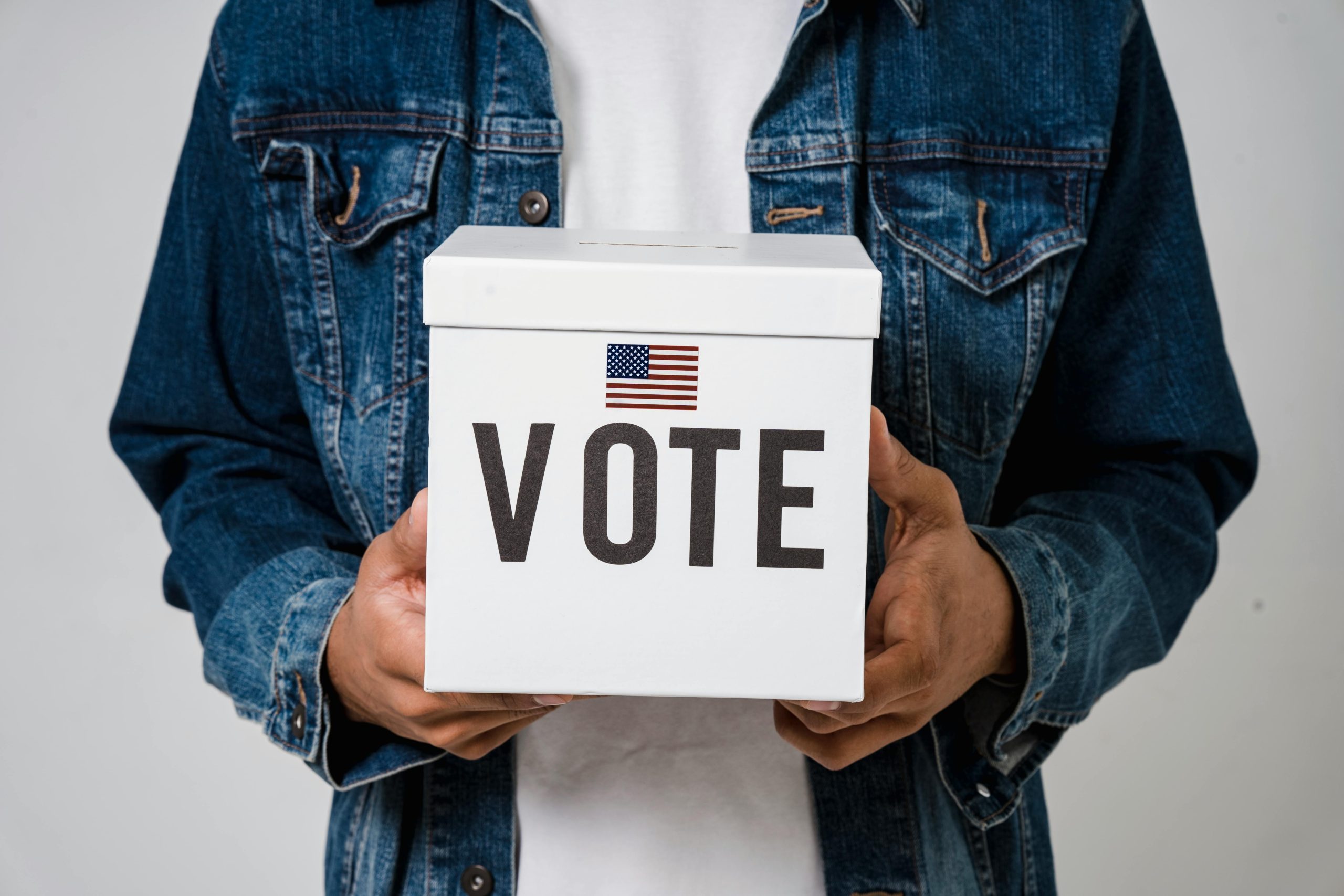
Across democracies worldwide, an alarming trend has been quietly unfolding—voter participation rates are declining, raising urgent questions about the health and legitimacy of democratic systems. While elections remain the cornerstone of representative governance, the steady erosion of voter turnout threatens to undermine the foundational principle that governments derive authority from the consent of the governed. This investigative report examines the causes behind this decline, its implications for democracy, and the efforts underway to reinvigorate civic engagement.
Historically, high voter turnout was seen as a sign of a vibrant democracy, reflecting public confidence in political institutions and a belief that individual votes matter. Yet, recent elections across continents reveal a contrasting reality. In established democracies such as the United States and parts of Europe, turnout has stagnated or fallen, particularly among younger voters and marginalized communities. For instance, the 2024 U.S. presidential election, despite intense media coverage and high stakes, saw participation rates that lagged behind expectations. Similar patterns emerge in countries across Latin America, Asia, and Africa, highlighting that this is a global phenomenon.
A complex set of factors contributes to voter apathy. Political polarization and distrust of elected officials discourage participation, as many citizens feel disillusioned by partisan gridlock and perceived corruption. The rise of misinformation and disinformation further erodes trust, making voters skeptical of the electoral process and the promises made by candidates. Additionally, socioeconomic barriers such as lack of access to polling stations, voter ID laws, and cumbersome registration processes disproportionately affect low-income and minority groups, effectively disenfranchising segments of the population.
Youth disengagement is particularly pronounced. Surveys indicate that many young people view politics as irrelevant or inaccessible, citing a lack of representation and meaningful dialogue. The digital age, while providing new avenues for political expression, has paradoxically contributed to fragmented attention and skepticism about traditional electoral politics. Many young voters are instead drawn to issue-based activism outside formal electoral channels, such as climate protests and social justice movements.
The implications of declining voter turnout extend beyond immediate election outcomes. When large portions of the population abstain, elected bodies may fail to represent the diversity and priorities of society, skewing policy decisions and deepening inequalities. Low participation can also embolden extremist groups and undermine the perceived legitimacy of governments, fueling instability and weakening democratic institutions.
In response, governments, civil society organizations, and activists are experimenting with innovative approaches to increase voter engagement. Some countries have introduced automatic voter registration, expanded early voting and mail-in ballots, and invested in voter education campaigns to reduce barriers. Digital platforms and social media are being leveraged to reach younger demographics, providing accessible information and mobilizing grassroots participation. Additionally, there is growing interest in reforms such as ranked-choice voting and participatory budgeting, designed to make elections more representative and responsive.
However, these efforts face significant challenges. Political will varies, and some reforms are met with resistance from entrenched interests. The spread of misinformation remains a persistent obstacle, requiring coordinated responses from tech companies, governments, and educators. Moreover, the deeply rooted nature of political disillusionment means that rebuilding trust will take sustained, multifaceted engagement over time.
International organizations play a critical role in supporting democratic participation globally. Election observation missions, capacity-building initiatives, and advocacy for inclusive policies help ensure that elections are free, fair, and accessible. Collaborative efforts between countries and civil society foster best practices and shared learning, essential in an era where democratic backsliding and authoritarian resurgence pose global threats.
Ultimately, revitalizing democracy demands more than procedural fixes—it calls for a cultural shift toward active citizenship and inclusive governance. This includes empowering marginalized voices, fostering open and respectful political dialogue, and ensuring that all citizens feel their participation can effect meaningful change. Education systems have a crucial role in cultivating civic knowledge and responsibility from an early age, while media must strive for accuracy and impartiality to build informed electorates.
In conclusion, the global decline in voter participation represents a hidden crisis with profound consequences for democracy’s future. This investigation reveals that addressing the challenge requires holistic approaches that tackle both structural barriers and deeper societal attitudes. By reinvigorating the democratic contract between governments and citizens, societies can strengthen their resilience and ensure that elections remain vibrant expressions of popular will in an increasingly complex world.









Leave a Reply