

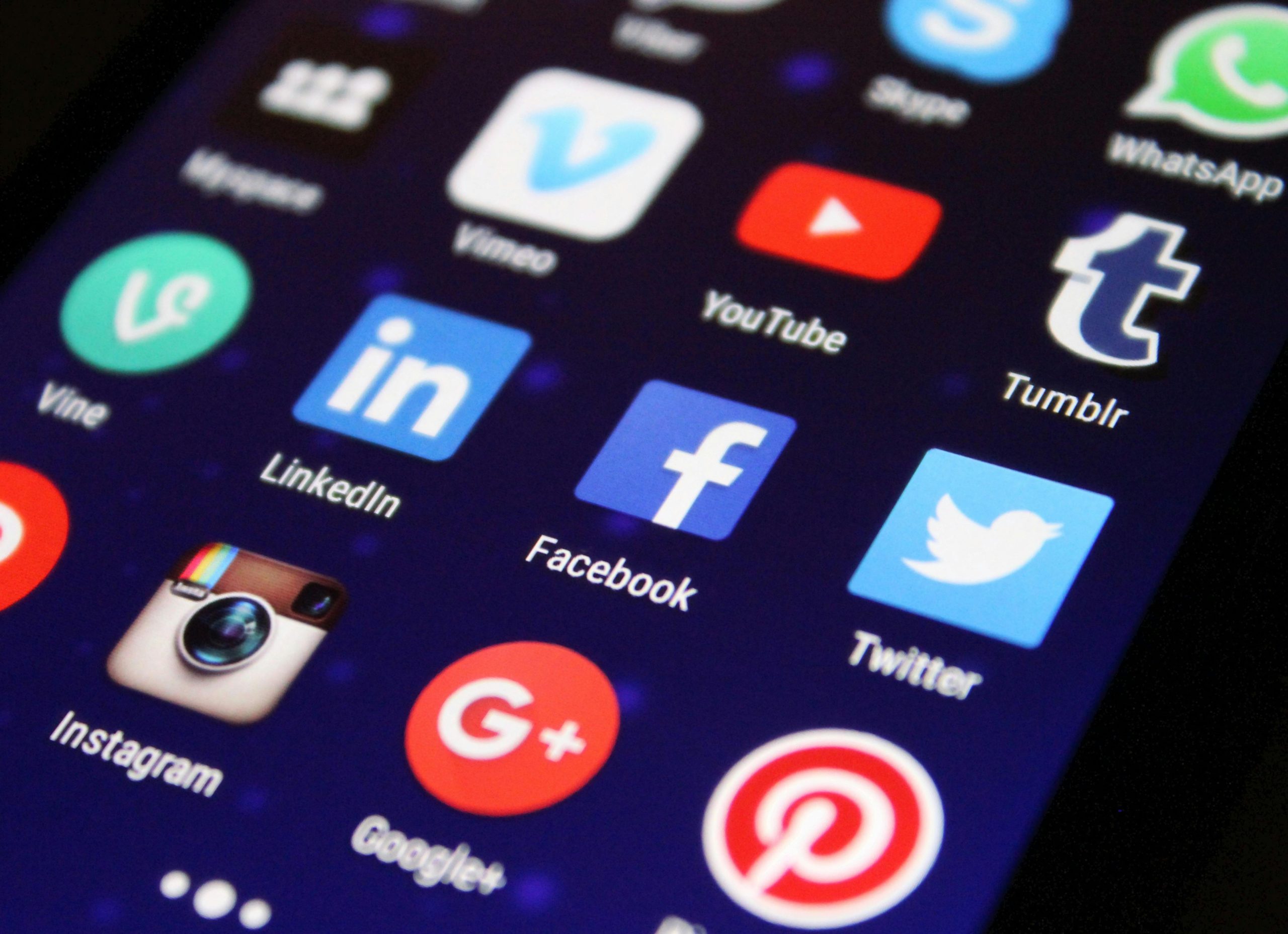
In today’s hyperconnected world, the rapid spread of political disinformation has emerged as a silent but potent threat to democracies across the globe. Unlike traditional propaganda, which was often state-sponsored and disseminated through controlled channels, modern disinformation campaigns exploit social media’s vast reach and algorithmic quirks to sow division, confuse voters, and erode trust in institutions. This investigative blog uncovers the mechanics behind political disinformation, explores its impact on elections and public discourse, and assesses the efforts to combat this growing menace.
The roots of political disinformation lie in the strategic manipulation of information to influence public opinion, discredit opponents, and destabilize political processes. While disinformation is not new, the digital age has transformed its scale and speed. Malicious actors—from foreign governments to domestic extremists and opportunistic groups—use bots, fake accounts, deepfakes, and coordinated networks to flood social media platforms with false or misleading content. These efforts are designed to exploit societal fractures and amplify controversial narratives, often targeting vulnerable groups or hot-button issues like immigration, health policy, or election integrity.
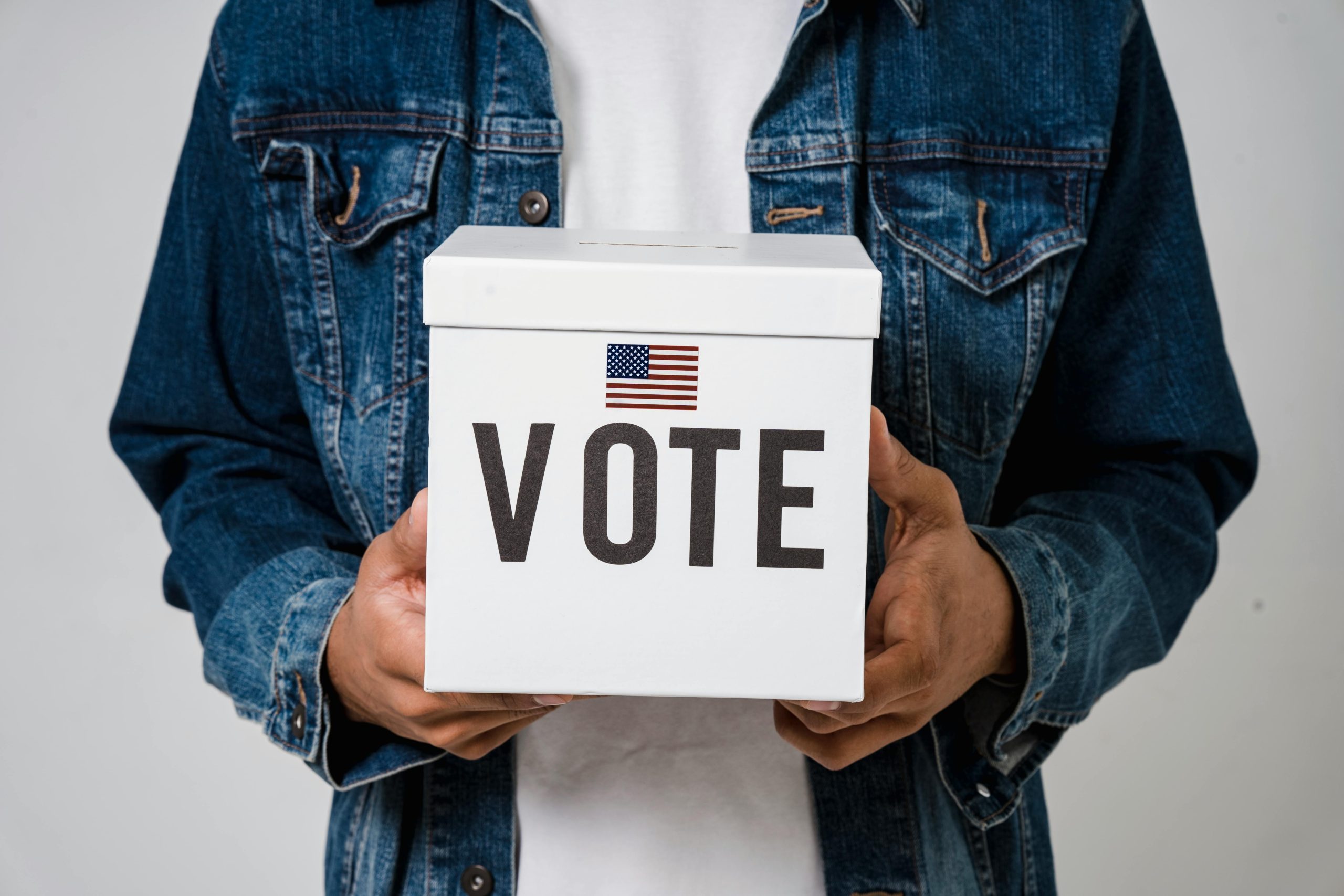
One revealing case study involves the 2016 U.S. presidential election, where Russian-linked operatives orchestrated widespread social media campaigns to influence voter perceptions and turnout. Since then, similar tactics have appeared in elections worldwide, including in Europe, Latin America, and Asia, demonstrating a global pattern. The decentralized nature of social media makes tracing and countering these campaigns challenging, as false information can originate from multiple sources and spread through viral sharing by unsuspecting users.
The consequences of political disinformation are multifaceted. On an individual level, exposure to false information can distort beliefs, increase cynicism, and polarize communities. At a societal level, it undermines trust in democratic institutions such as the media, judiciary, and electoral commissions, weakening the social fabric necessary for healthy governance. Furthermore, disinformation campaigns can exacerbate social tensions, incite violence, and even disrupt the peaceful transfer of power.
Social media companies, under pressure from governments and civil society, have taken steps to address disinformation. Measures include content moderation, fact-checking partnerships, transparency reports, and the removal of coordinated inauthentic behavior. However, critics argue that these efforts are reactive, unevenly applied, and often lack transparency themselves. The balance between protecting free speech and curbing harmful content remains a contentious and unresolved challenge.
Governments worldwide are also exploring regulatory approaches, ranging from legislation that mandates platform accountability to public awareness campaigns designed to improve media literacy. The European Union’s Digital Services Act, for example, seeks to increase transparency and responsibility among online platforms. Meanwhile, some countries have established specialized agencies to monitor and counter disinformation, though these efforts must guard against becoming tools for censorship or political repression.
Civil society organizations play a vital role in educating citizens, promoting critical thinking, and conducting independent fact-checking. Collaborative initiatives involving tech companies, academics, and journalists aim to develop early-warning systems and innovative tools for detecting and countering disinformation. Still, combating political disinformation requires sustained, coordinated action across sectors and borders.
Importantly, the fight against disinformation is not solely technical—it is deeply political and cultural. Building resilience involves fostering open, inclusive public dialogue and strengthening democratic norms that emphasize transparency, accountability, and respect for diverse viewpoints. Empowering citizens with the skills to discern credible information and engage constructively is crucial to inoculating societies against manipulation.
In conclusion, political disinformation in the digital age represents a complex and evolving challenge with significant implications for democracy. This investigation exposes the sophisticated tactics employed by malicious actors and the profound impacts on public trust and political stability. Addressing this threat demands comprehensive strategies that combine technological innovation, regulatory oversight, education, and international cooperation. Only by understanding and confronting the realities of disinformation can democracies hope to protect their foundational principles in an era of rapid information exchange.






Leave a Reply